Environmental Groups Say California Has a Hidden Climate Problem Beneath Its Reservoirs
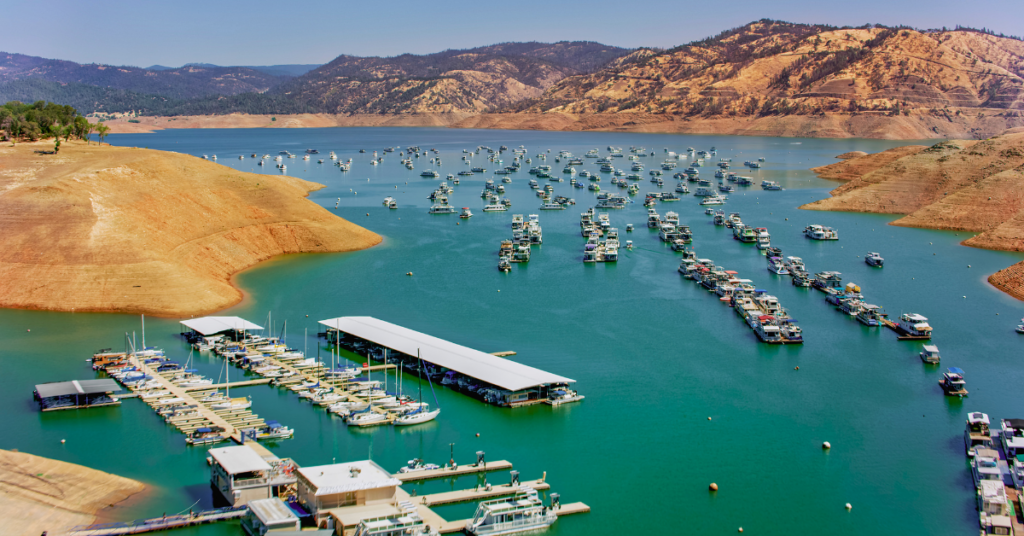
A coalition of environmental organizations, including Patagonia, is pushing California air regulators to start tracking methane emissions from the state’s dams and reservoirs.
The groups submitted a petition last month asking the California Air Resources Board to require greenhouse gas reporting from these water bodies. While oil and gas operations, landfills, and dairy farms are well-documented methane sources, reservoirs have largely flown under the radar despite producing significant amounts of the potent greenhouse gas.
The process is natural but consequential: as submerged vegetation decomposes underwater, it generates methane that bubbles up to the surface. Nationally, the EPA estimated that “flooded lands” including reservoirs produced emissions equivalent to 44.4 million metric tons of carbon dioxide in 2022, putting them on par with the country’s steel and iron manufacturing sector.
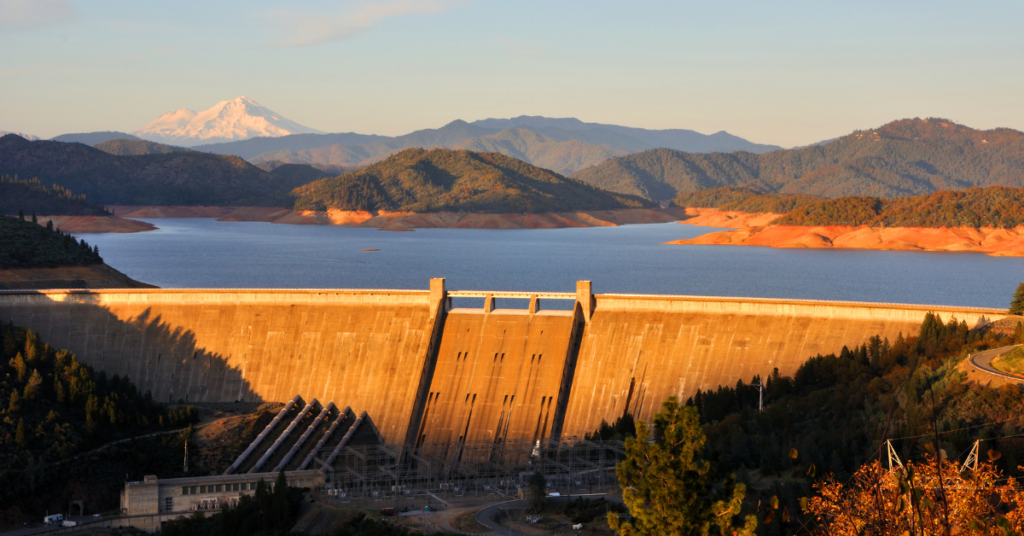
Globally, researchers have estimated that water held behind dams releases between 10 million and 22 million metric tons of methane annually, accounting for roughly 3% to 7% of all human-caused methane emissions.
The petition has particular relevance in Northern California, where the proposed Sites Reservoir northwest of Sacramento remains a flashpoint. Friends of the River, one of the petitioning organizations, has clashed with project supporters over conflicting projections about how much methane the new reservoir would produce.
Measuring reservoir methane is complicated. The gas disperses across wide surface areas, making it difficult for satellites to detect. However, more advanced airplane-mounted sensors could be operational within the next couple of years.
CARB has said it plans to respond to the petition by the end of July, calling the questions it raises “important.”
California has committed to cutting methane emissions 40% below 2013 levels by 2030.
