First Salmon in Over a Century Returns to Klamath River After Dam Removal
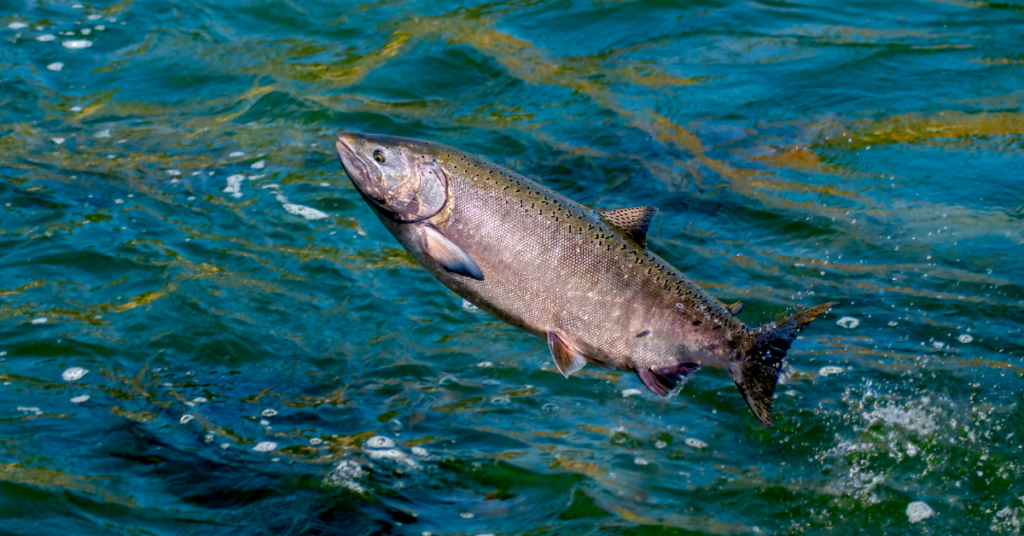
The Klamath River has welcomed its first salmon in over a century, thanks to the largest dam removal project in the history of the United States.
Scientists from California Trout captured sonar footage of a likely chinook salmon swimming upstream past the former Iron Gate Dam site last Thursday. The 2½-foot fish is believed to be part of the Klamath River’s fall run, marking the beginning of the species’ recovery.
The return of salmon is a major milestone in the $500 million dam removal project, which aimed to restore fish access to upstream spawning grounds.

Constructed in the early 1900s, the four dams had blocked salmon migration, causing a significant decline in the population. The project, driven by Native American communities and supported by PacifiCorp, California, and Oregon, sought to reopen the river’s ecosystem. Funding came from PacifiCorp and California water bonds.
Monitoring efforts by Cal Trout, conservation groups, and tribal scientists revealed the salmon’s return. While experts expected fish movement after the dams’ removal, they note it may take years for salmon to fully repopulate the upper watershed.
This historic sighting is a hopeful step toward revitalizing the Klamath River’s salmon population and ecosystem.
