Northern California Reservoirs Are Stacked Heading Into the Dry Season
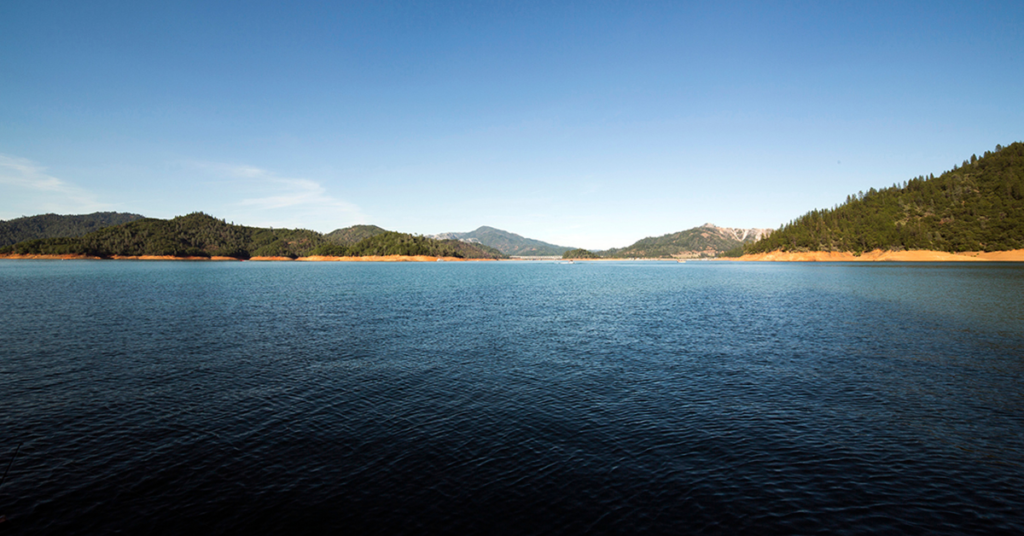
After a stretch of spring storms, California’s major reservoirs are in strong shape heading into the dry season.
Lake Shasta, the state’s largest reservoir, is at 91% capacity and tracking 109% of its historical average for late April. Lake Oroville, the backbone of the State Water Project, sits at 96% capacity and 122% of average. New Bullards Bar is also at 96%, running 115% of its typical late April levels. Trinity Lake rounds out the far north at 92% and 119% of average.
In the Sacramento Valley and Sierra foothills, Folsom Lake is at 93% capacity and a healthy 129% of its historical mark. That is good news for the Sacramento region, where Folsom serves as a critical water supply and one of the most popular recreation lakes in the area. Camanche Reservoir sits at 86% and is running 133% above average, while New Melones is at 78% and 125% of normal. Don Pedro is holding at 90% with 118% of its average level.
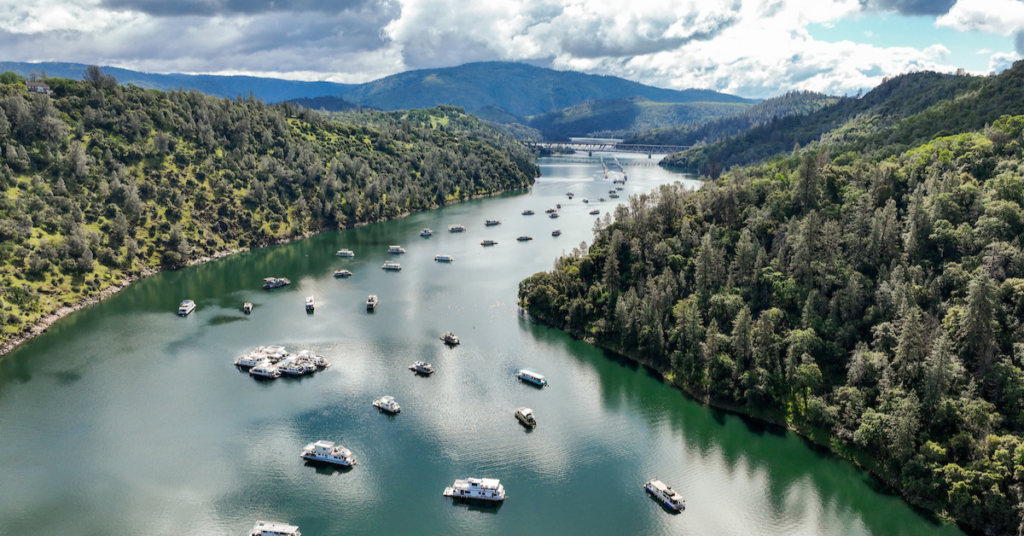
Further south in the San Joaquin watershed, Lake McClure is at 83% and 144% of average. Millerton Lake sits at 87% and 123% of normal. Pine Flat is at 84% and running 143% above its historical mark. Both McClure and Pine Flat are well ahead of where they typically sit this time of year, which bodes well for irrigation and recreation through the summer months. Sonoma is the one outlier at 69% capacity, though still at 111% of its historical average.
The winter was uneven across the state, with some regions seeing far less precipitation than normal. But late-season storms helped close the gap in many Northern California watersheds, and reservoir managers are now balancing the need to store water for the months ahead while maintaining federally required flood control space.
Water releases from Oroville Dam continue to support downstream flood protection while sustaining Feather River habitat for salmon, steelhead and sturgeon. For recreationists, the strong levels mean good conditions for boating, fishing and shoreline access at popular spots heading into summer. River flows downstream of major dams may remain swift and cold for several more weeks, so check current conditions before heading out.
