OPINION: California Salmon Don’t Need a Celebration
The California Department of Fish and Wildlife (CDFW) recently released a press release celebrating the progress made in their “California Salmon Strategy for a Hotter, Drier Future”. On the surface, it’s a hopeful document—full of action items, collaborative initiatives, and talk of restoring balance to our waterways. But as someone who lives in California and deeply values our wild spaces, I’m struggling to understand what exactly we’re celebrating.
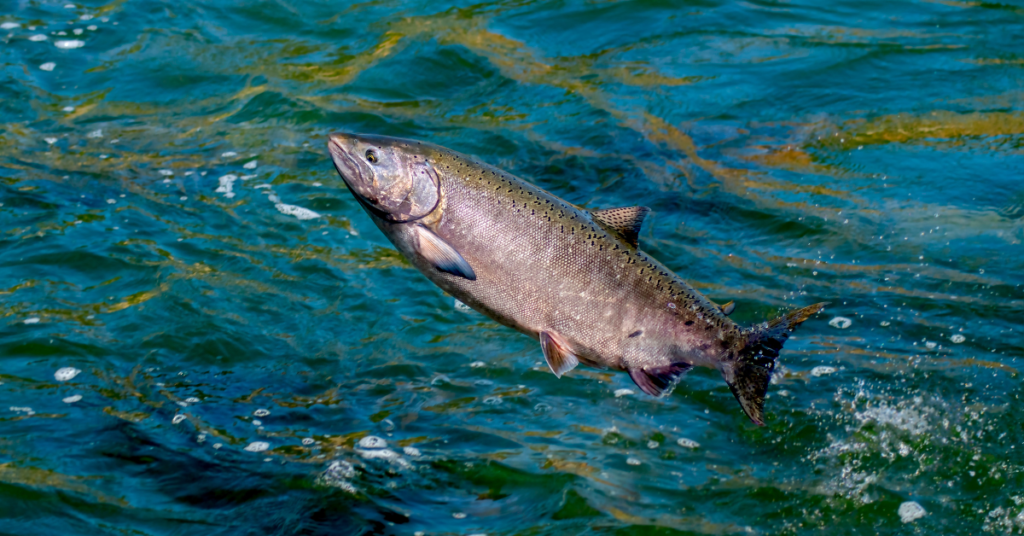
Because here’s the reality: salmon fishing is currently banned. The Chinook salmon runs are in dismal shape. And the collapse of one of California’s most iconic species continues with no end in sight.
Yes, there have been meaningful steps forward. The removal of outdated dams along the Klamath River is monumental. Efforts like the Big Notch Project and Lookout Slough habitat restoration show promise. The state has taken action on 71 items outlined in the Salmon Strategy, with a majority either completed or underway. That’s good news—but it’s only part of the picture.
On the ground, the situation remains dire. Salmon returns in some rivers are at their lowest recorded levels. Entire seasons have been canceled for both commercial and recreational fishers. Tribal communities that rely on salmon for sustenance and culture are left with dwindling harvests. And coastal economies built on salmon fishing are being gutted.
So when the state sends out a celebratory press release, it feels premature—tone-deaf, even. It’s like celebrating a touchdown while still trailing by three scores. And unfortunately, this isn’t the first time CDFW has leaned into messaging over meaningful reform. These press releases often read more like funding pitches than ecological assessments.
Let’s be honest: securing funding is part of this. These public relations efforts help state agencies show that they’re being proactive, which can justify continued or increased budget allocations. But too often, they seem more focused on optics than outcomes. Meanwhile, rivers are over-allocated, water diversions continue, and hatchery programs, while helpful in the short term, can’t replace wild, self-sustaining runs.
Restoring salmon populations in a warming, drought-prone California is not an easy task. I don’t envy the people tasked with this mission. But we need to acknowledge the scale of the crisis and act accordingly. That means more than tracking action items and celebrating completed projects. It means fundamentally rethinking how we manage water, protect habitat, and prioritize ecological health over short-term human convenience.
We need stronger enforcement of water quality standards. We need real minimum flows for spawning rivers. We need land and water management that acknowledges fish as part of the ecosystem—not an afterthought. And we need accountability, not just celebration.
Until the salmon runs recover, until fishing seasons return, and until tribes and coastal communities can rely once again on healthy, abundant salmon populations, the only thing we should be celebrating is the political will to face this crisis head-on. Anything else feels like a distraction.
The salmon don’t need a press release. They need cold, clean water and a fighting chance. Let’s focus on that.
