A New Study Shows That Most Young Salmon Entering the Delta Never Make It Out
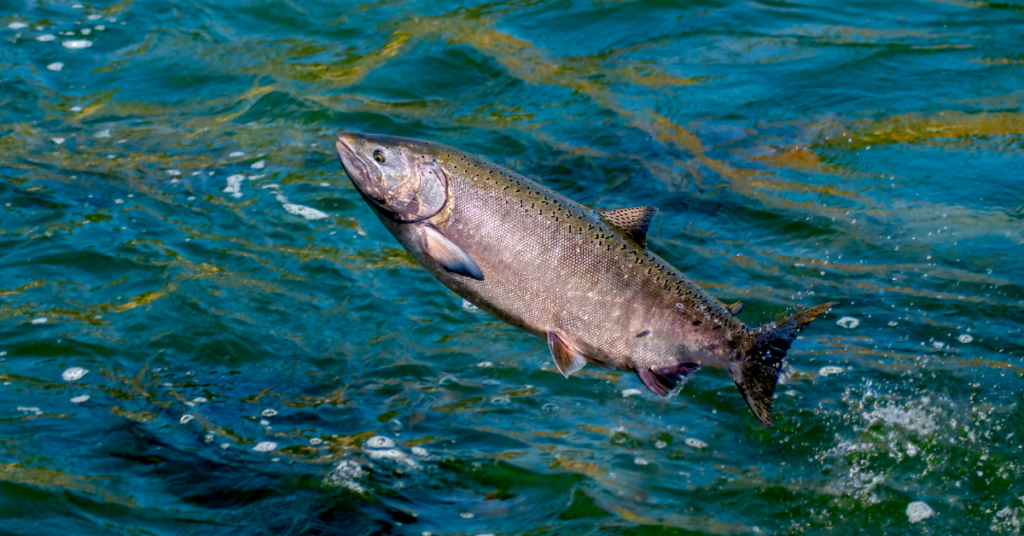
A major new study is putting a name to something scientists have suspected for years: young California salmon are disappearing in the Sacramento-San Joaquin Delta, and nobody can see it happening.
Researchers from the University of Essex, NOAA Fisheries, UC Davis and Cramer Fish Sciences tracked juvenile Chinook salmon through the Delta and found that early-migrating fish made up about 80% of the young salmon entering the system but only 26% of those leaving it. Just 15% survived long enough to return as spawning adults.
The scientists are calling these lost fish “river ghosts” because they die unseen beneath the water, their fate hidden in a system that has been fundamentally reshaped by human engineering.
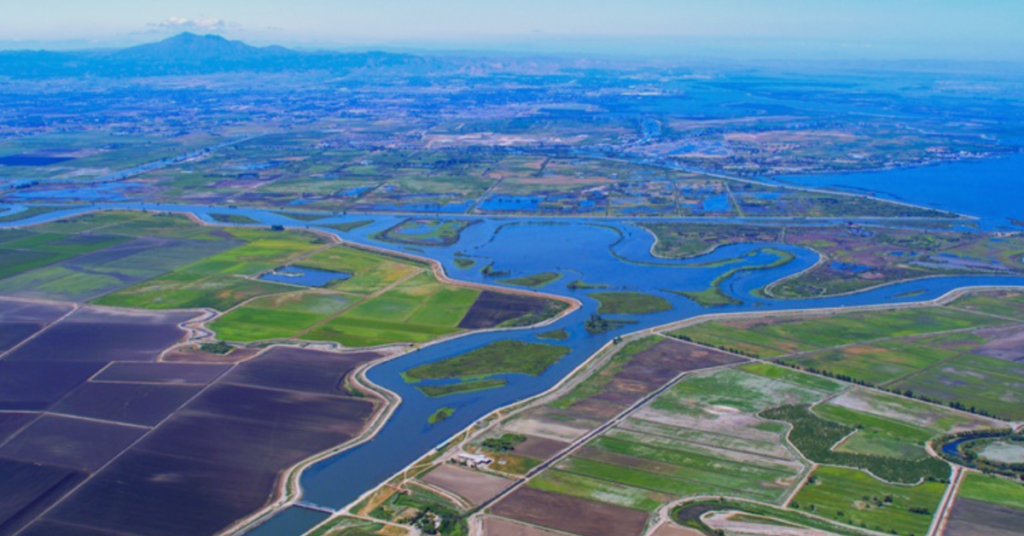
The problem comes down to two forces colliding. During drought years, low flows and rising water temperatures shrink available habitat and kill juvenile fish. During flood years, powerful storm surges sweep small fish out to sea before they are ready, pushing them past the slow, sheltered wetlands they need to feed and grow.
Those wetlands are largely gone. Over decades, engineers straightened winding natural channels in the Delta into faster-moving canals, stripping away the floodplains and marshes that young salmon historically relied on. Without those calm-water habitats, the fish have nowhere to go when conditions turn extreme in either direction.
The study, published in Global Change Biology, tracked nine cohorts of salmon using chemical signatures preserved in tiny ear stones called otoliths. The technique allowed researchers to reconstruct each fish’s movements across its entire life.
The findings land at a critical moment. California just reopened commercial salmon fishing for the first time in four years after three consecutive seasons of closures.
