Klamath River Upgrade Project Moves Forward Amid Remarkable Salmon Rebound
The Klamath River is in the midst of a historic comeback. Just months after the removal of four major dams — the largest dam removal project in U.S. history — the river has already shown remarkable signs of revival. Tribal biologists and fisheries crews documented salmon returning to stretches of the river that had been blocked for more than a century, signaling a rebirth long hoped for by communities along the Klamath.
Now, another milestone is set to boost that recovery.
The USDA Natural Resources Conservation Service (NRCS) in Oregon has released its Final Watershed Plan Environmental Assessment for the Klamath Drainage District (KDD) Infrastructure Modernization Project, issuing a Finding of No Significant Impact. With that approval, the project is now eligible for federal funding and can move into final design and construction once formally authorized.

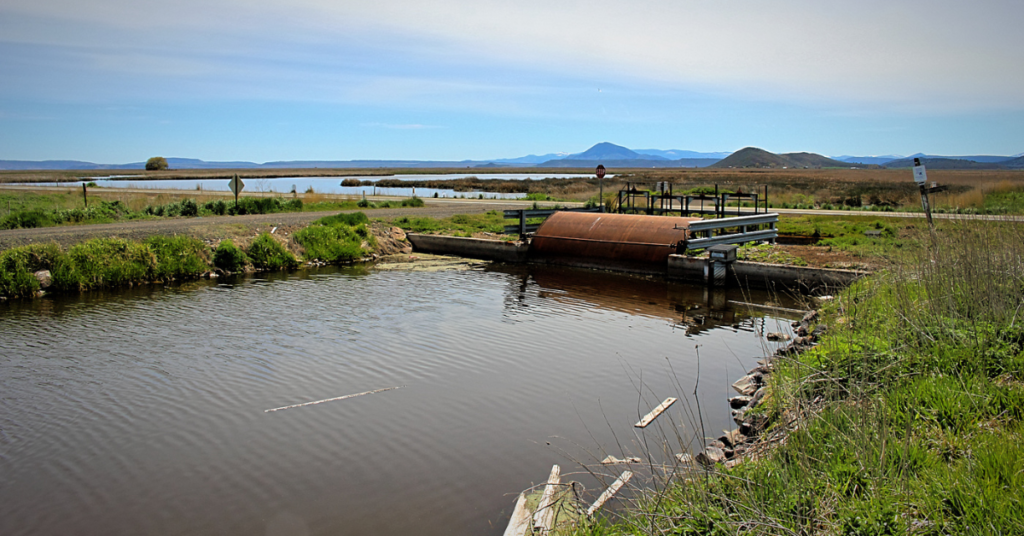
The modernization effort focuses on improving fish safety and water efficiency along key Klamath River diversion points. Plans include installing a fish screen at the North Canal Diversion, extending and modifying the North Canal to increase capacity, upgrading pump stations, and adding automated gates and flow monitoring throughout the system. The upgrades are designed to prevent fish from becoming trapped in irrigation canals, reduce inefficiencies, and improve overall river health.
The project will also allow KDD to deliver more water to the Lower Klamath National Wildlife Refuge, restoring much-needed wetland habitat for birds and other wildlife.
It’s a coordinated effort among NRCS Oregon, the Klamath Drainage District, the U.S. Bureau of Reclamation, and the U.S. Fish and Wildlife Service — another major step in rebuilding a river system that is finally flowing freely again.
For more information, visit watershedplans.org/klamath-dd.
