Mendocino County Is Losing Its Vineyards and the Landscape Is Starting to Change
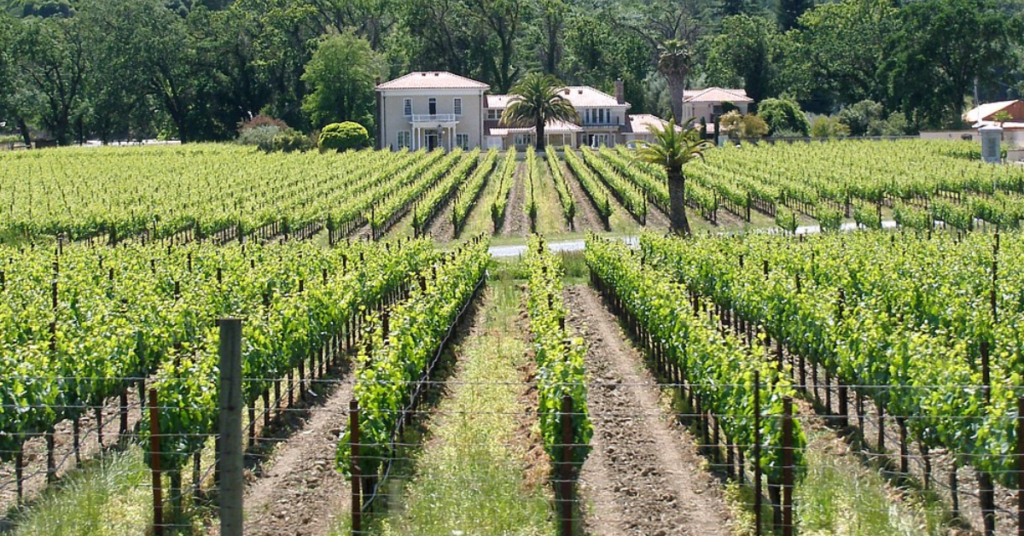
Drive through Mendocino County and you will start to notice something different. Where rows of grapevines once lined the hillsides and valleys, some of those fields are sitting empty.
California has lost an estimated 40,000 acres of vineyards in recent years, and Mendocino County has been hit particularly hard. The decline is being driven by a combination of oversupply in the broader wine market, rising production costs, water challenges and a shift in consumer drinking habits that has put pressure on smaller growing regions.
For a county where wine has been woven into the economy and identity for decades, the losses go beyond agriculture. Vineyards support jobs, draw tourism and define the look of the landscape. When they disappear, the ripple effects reach into small towns and businesses that depend on the wine industry for foot traffic and revenue.
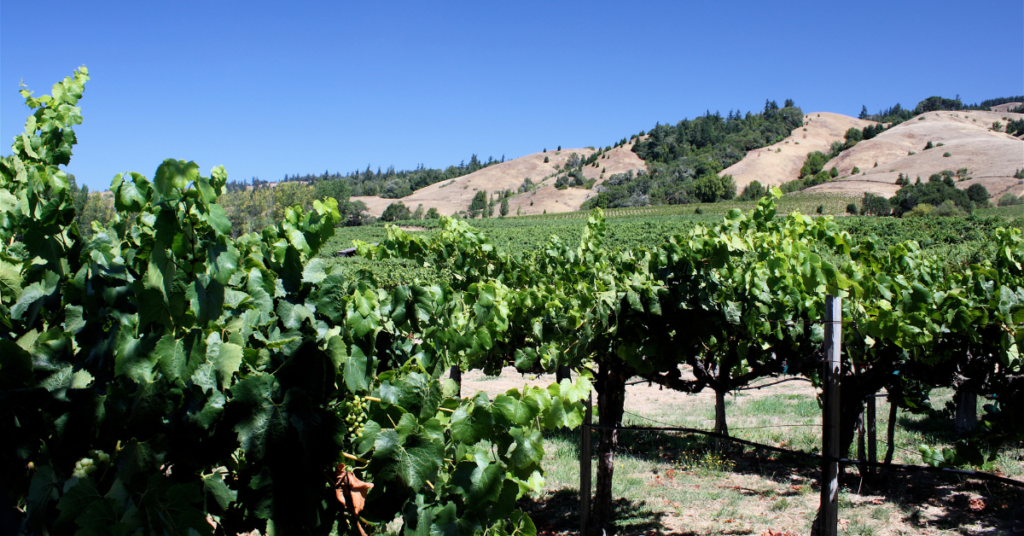
Some vineyard owners have pulled out vines and transitioned to other crops or simply left the land fallow. Others are holding on but struggling with margins that have tightened as grape prices have dropped and operating costs have climbed.
The situation is not unique to Mendocino. Vineyard acreage has declined across the state, including in Napa, Sonoma and the Central Valley. But in smaller, more rural wine regions, the impact is more visible and the recovery options are more limited.
Industry groups and local leaders are watching closely to see whether market conditions stabilize or whether the trend accelerates. For now, the vines are coming out faster than they are going in.
