Yosemite Just Had Its Best Peregrine Falcon Season Since Scientists Started Counting
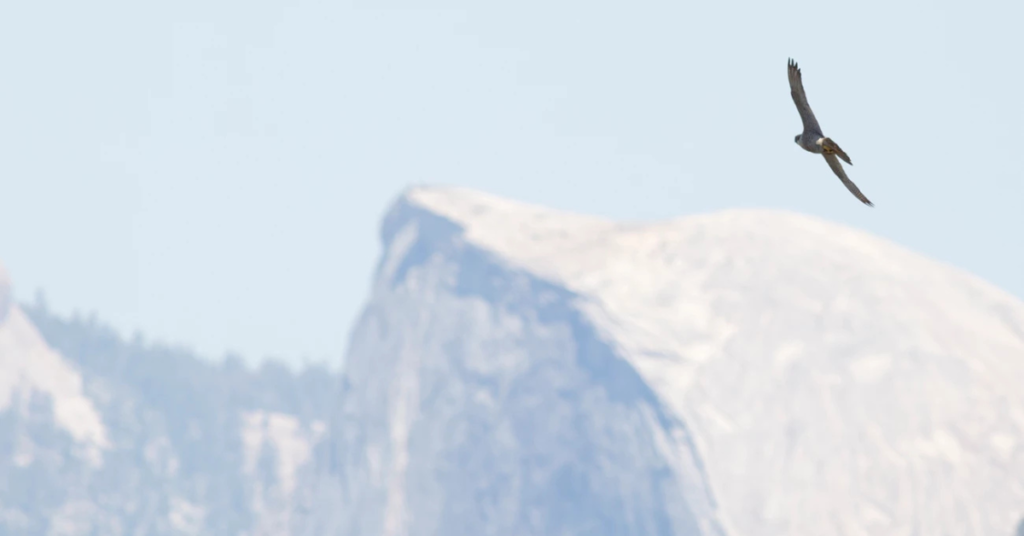
Peregrine falcons nearly disappeared from Yosemite. By the time serious recovery efforts kicked off in the 1980s, DDT had caused the birds to lay eggs with shells too fragile to survive. Expert climbers rappelled El Capitan to retrieve those eggs and bring them to safety, launching one of California’s most impressive conservation comebacks.
2025 turned out to be the best year on record. Fifteen peregrine nests were found across the park, seven of them brand new. When the season wrapped, 23 fledglings had made it out of the nest and were learning to fly. That is the highest single-year count since scientists began tracking in 1973.
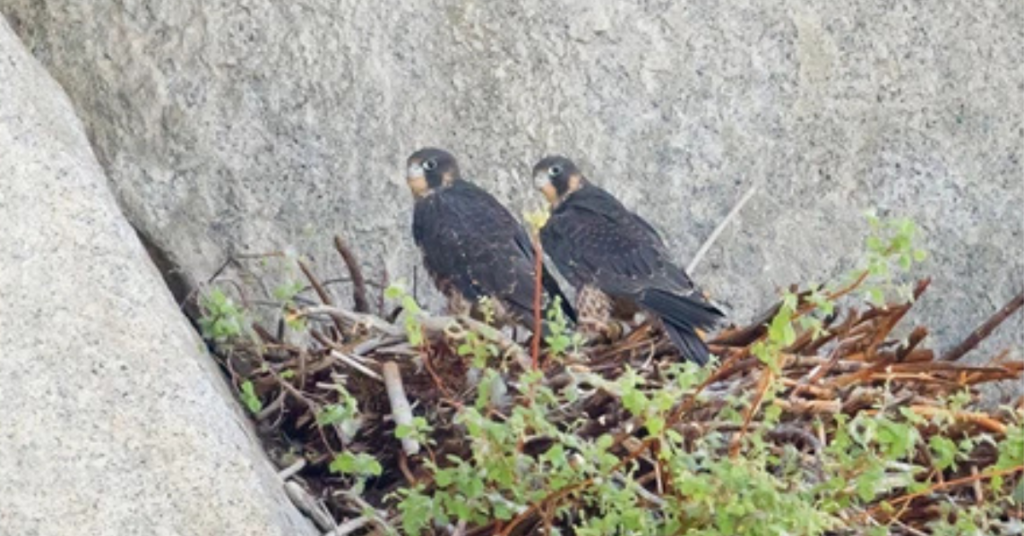
The approach driving the recovery is built around balancing wildlife protection with continued visitor access. Wildlife managers survey dozens of cliff sites and impose targeted, temporary closures based on what each individual nest actually needs, rather than shutting down large swaths of climbing terrain at once.
The result is that no more than five percent of climbing routes are closed at any given time. Climbers and conservationists working in the same direction, on the same walls, has turned out to be a formula that works.
The return of breeding falcons to El Capitan this season is the latest proof. For anyone visiting Yosemite this spring, scanning the granite walls for a diving peregrine just got considerably more rewarding.
