Northern California’s Largest Reservoirs Climb After Back-to-Back Winter Storms
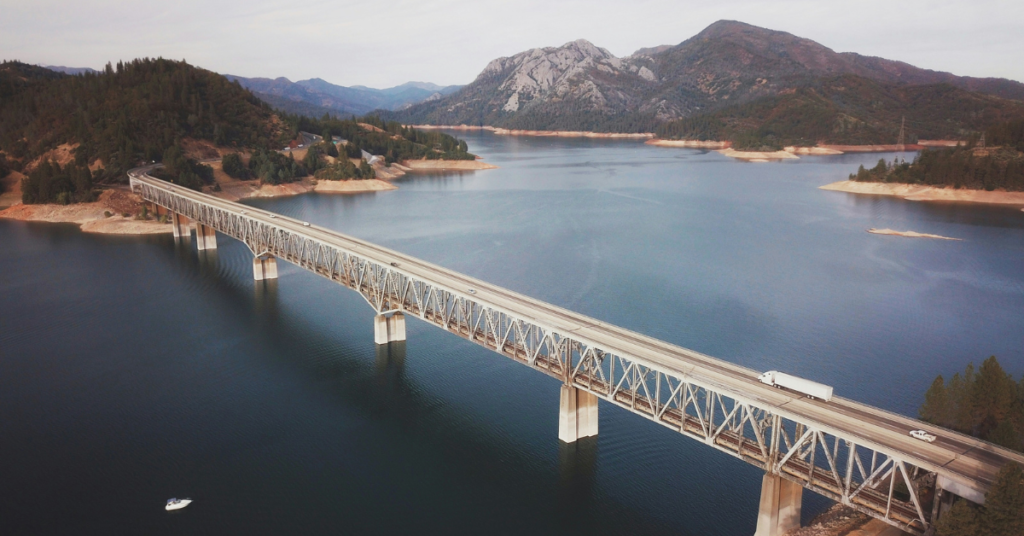
After a week of pounding rain and Sierra snow, Northern California’s biggest reservoirs are ticking upward.
The back-to-back winter systems drenched lower elevations and buried the mountains in fresh snow, delivering a timely boost to the state’s water supply. According to the California Department of Water Resources, the combination of rainfall and high-elevation snowfall is helping recharge rivers and reservoirs that had been slipping earlier this winter.
At Lake Oroville, water levels climbed nearly a foot over the past few days. The reservoir now sits at 853.75 feet in elevation, about 46 feet below full pool, but an impressive 128 percent of average for this time of year. Officials say runoff from the Feather River watershed played a major role in the recent gains.
Farther north, Lake Shasta has also edged higher. The state’s largest reservoir is currently at 1,030.99 feet in elevation, roughly 36 feet below capacity and at 113 percent of its historical average.
Meanwhile, Folsom Lake sits at 56 percent capacity, which is 116 percent of historical capacity. And Trinity Lake sits at an impressive 84 percent capacity.
While the short-term bump is encouraging, water managers caution that the season isn’t over. California is entering the final stretch of its prime snow-building months, and consistent storms will be needed to lock in long-term water security before the dry summer returns.
For now, the storms are doing what California winters are meant to do: refill the state’s natural and manmade storage systems.
