Why Tiny Earthquakes Are Raising Big Red Flags in Northern California
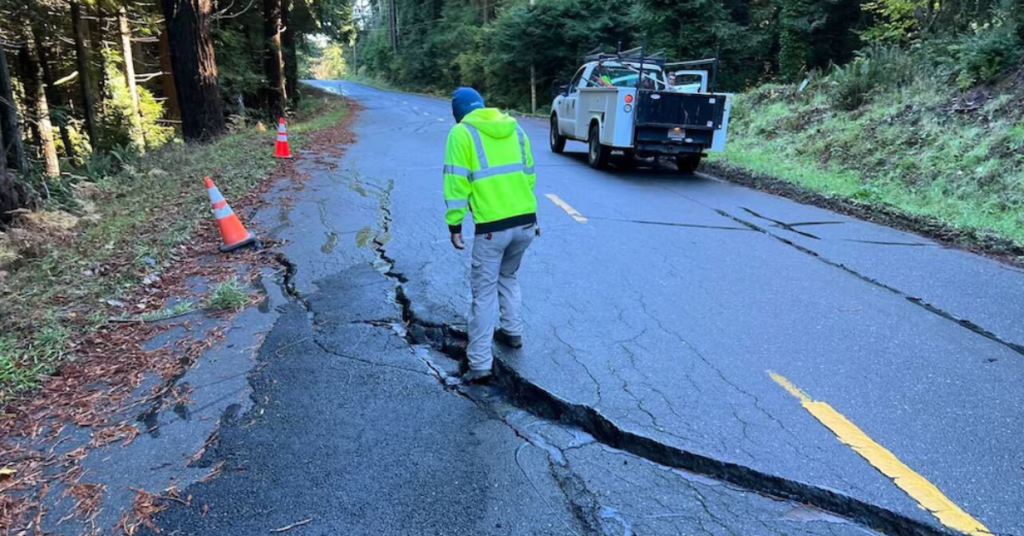
Scientists are using earthquakes so small humans can’t feel them to uncover a far more complex seismic threat beneath Northern California than previously believed.
New research led by teams from the University of California, Davis, the U.S. Geological Survey, and the University of Colorado Boulder shows that faint, low-frequency earthquakes are mapping hidden fault structures near the Mendocino Triple Junction, where the San Andreas Fault meets the Cascadia subduction zone.
That offshore region near Humboldt County is already known as one of North America’s most dangerous seismic areas. But by tracking swarms of tiny tremors thousands of times weaker than typical earthquakes, researchers discovered the underground geometry is far messier than the classic “three-plate” model taught in textbooks.
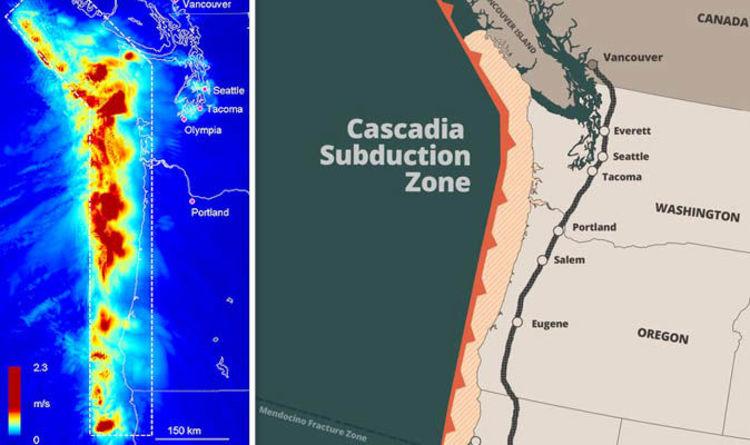
Instead of just three tectonic plates interacting, scientists identified five separate moving pieces, including fragments buried deep beneath the surface. One section of the North American plate appears to have broken off and is being dragged downward with the subducting Gorda plate. South of the junction, the Pacific plate is pulling another hidden slab—called the Pioneer fragment—beneath Northern California.
These findings help explain why the powerful 1992 magnitude 7.2 earthquake struck at an unexpectedly shallow depth. The fault responsible wasn’t where scientists thought it was.
By studying how tiny earthquakes respond to subtle tidal forces from the Moon and Sun, researchers were able to confirm their new model, offering a clearer picture of earthquake hazards along the Northern California coast.
