California Reservoirs Surge Above Average After First Big Winter Storm
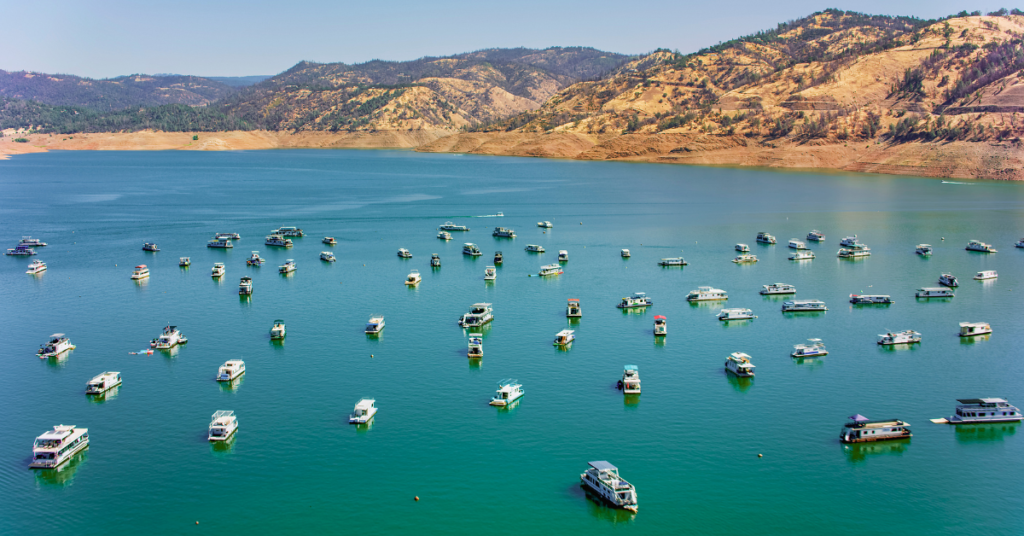
California’s first major winter storm has already made a dent in the state’s water supply, pushing nearly every major reservoir above its historical average for this time of year.
Shasta Lake, the state’s largest reservoir, sits at 58% of total capacity and 109% of its historical average. Its current surface elevation is 991 feet, well below its full pool of 1,067 feet, but a strong start considering the long dry stretch leading into the season.
Lake Oroville, the second-largest reservoir, is 52% full and right at 100% of its historical average, with a measured elevation of 769 feet.
Across the board, California’s reservoirs are looking healthy for November. Trinity Lake is at 127% of average, Folsom Lake at 110%, Lake Sonoma at 114% and New Melones Lake at 126%. Most of the state’s major reservoirs are currently sitting between 50% and 70% of total capacity.

Early-season storms often soak directly into the dry landscape rather than boosting reservoirs right away. The ground has needed time to rehydrate after an extended dry period, meaning the first big storms mostly replenish soil moisture instead of generating meaningful runoff.
Once the soil saturates, however, the next storm systems could produce much larger inflows, and that’s where reservoir managers will need to stay alert. Strong storms later in the season can force officials to release water in advance to maintain flood control capacity.
For now, the above-average conditions are a welcome sign as California continues recovering from years of drought and dangerously low water levels. The wet season is off to a promising start, but the balancing act between storing water and preventing floods is only beginning.
