California Slams Trump Plan to Cut Delta Fish Protections and Boost Water Pumps
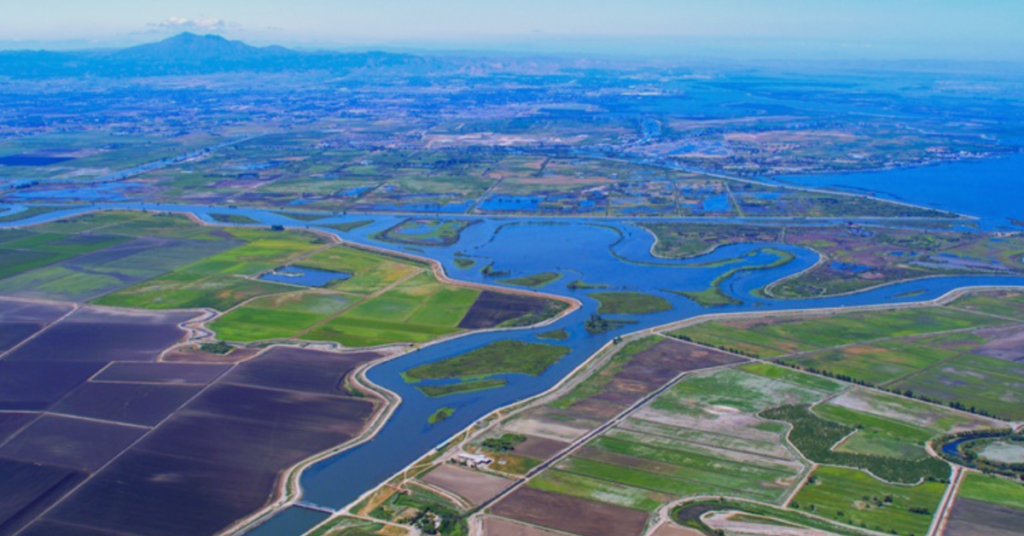
A new clash over California water is brewing as the Trump administration moves to weaken long-standing environmental protections for threatened fish in the Sacramento–San Joaquin Delta. According to letters obtained by the Los Angeles Times, federal officials plan to ramp up pumping from the Delta to Central Valley farmlands, despite sharp objections from Gov. Gavin Newsom’s administration.
The U.S. Bureau of Reclamation recently notified state agencies that it intends to increase water exports through the Central Valley Project, sending more water to farms and communities across the San Joaquin Valley. The proposal follows a January executive order from President Trump and would loosen safeguards for at-risk species, including Chinook salmon, steelhead, Delta smelt and longfin smelt.
State officials warn the plan would have significant ecological consequences. Modeling shows increased pumping would reduce Delta flows, especially during dry years, leaving native fish more vulnerable to predators and worsening already declining populations.

“This would cause significant impacts to native fish species,” wrote Diane Riddle of the State Water Resources Control Board, noting that many of these species are already stressed during drought conditions.
California agencies also argue the federal plan could disrupt water deliveries to millions of Southern Californians. Even if federal pumping increases, the state must still comply with state and federal endangered species laws, potentially forcing reductions to its own water exports.
The proposal, known as Action 5, threatens decades of coordination between state and federal water systems. Environmental and fishing groups are urging Newsom to challenge the decision in court, warning that weakened protections could push several fish species closer to extinction.
“Some salmon runs are on the brink,” said Barry Nelson of the Golden State Salmon Association to the LA Times. “Cutting protections further would be disastrous.”
The conflict signals yet another high-stakes battle over who gets California’s water—and at what cost.
