Controversial Plan to Raise Shasta Dam Resurfaces — Here’s What’s at Stake
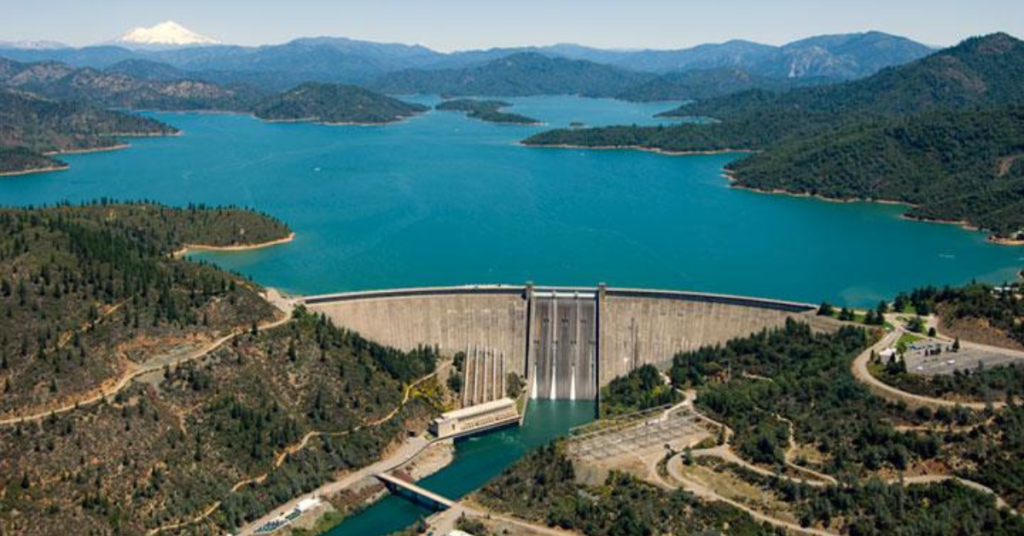
A decades-old proposal to raise Shasta Dam by 18.5 feet is once again gaining traction in Washington D.C., prompting fierce debate among California tribes, environmentalists, and water users.
The $1.8 billion project, supported by Rep. Doug LaMalfa and other Republican lawmakers, would increase California’s largest reservoir by roughly 51,000 acre-feet — less than 1% of the water used annually by Central Valley farmers. Supporters argue the added storage would provide more cold water to help endangered winter-run Chinook salmon survive the hot summer months.
But critics say it would do far more harm than good. The proposal threatens to inundate sacred Winnemem Wintu tribal lands along the McCloud River, including burial sites and cultural gathering places.
Environmental groups warn the dam raise would violate California’s Wild and Scenic Rivers Act and reduce critical downstream flows that help salmon survive in a warming climate. “The idea that a Shasta raise would benefit salmon — particularly under this set of federal agencies — is absurd,” said Barry Nelson of the Golden State Salmon Association.
Though the project remains years away from breaking ground and faces legal hurdles, a recent $2 billion line item in a congressional spending bill may signal growing federal momentum.
For the Winnemem Wintu and salmon advocates, the battle continues — one that pits cultural heritage and ecological survival against the push for more water in California’s agricultural heartland.
