Do Giant Sequoias Need Saving? New Report Says Nature Is Already Doing the Job
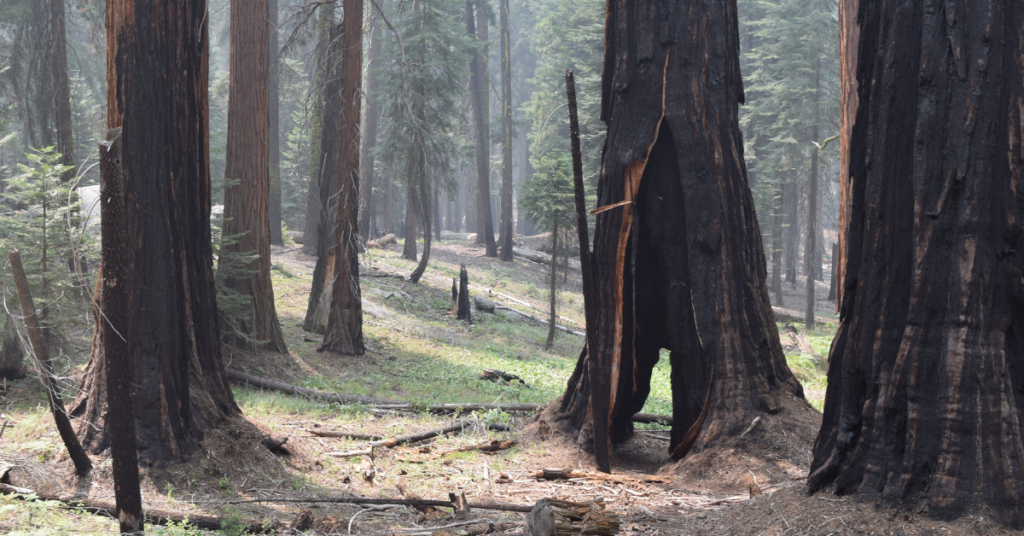
A conservation group is urging Congress to reject the proposed Save Our Sequoias Act (SOSA), arguing that giant sequoia forests in Sequoia, Kings Canyon, and Yosemite national parks are already showing strong natural recovery after recent high-severity wildfires.
Wilderness Watch points to the Redwood Mountain Grove in Kings Canyon National Park—heavily damaged during the 2021 KNP Complex Fire—as proof that the forests are rebounding without human intervention. According to the group, thousands of giant sequoia seedlings and saplings now cover the burned landscape, thriving even in areas where nearly all mature trees were lost.
Their concern is that SOSA would allow heavy machinery, planting efforts, and “vegetation control” inside federally designated Wilderness areas, potentially harming the very ecosystems the bill aims to protect. The group also says manual planting efforts attempted by the National Park Service after the fire performed poorly, with many seedlings failing to survive.
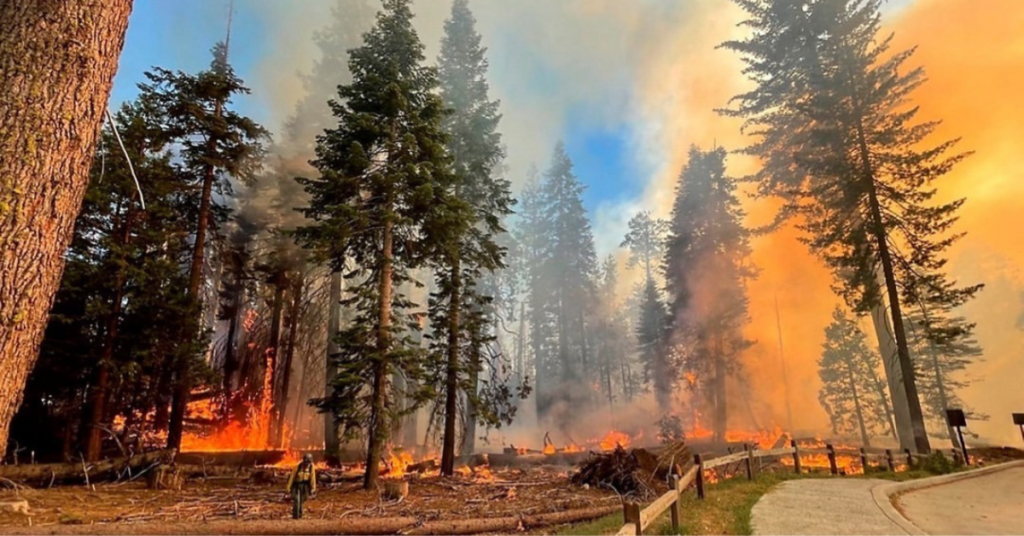
Wilderness Watch argues that introducing machinery or large-scale planting could interfere with the natural regeneration already underway. They also warn that SOSA could weaken long-standing protections by allowing roads, logging, and post-fire vegetation manipulation under the banner of restoration.
Another major criticism is that SOSA would allow land agencies to bypass the National Environmental Policy Act, which requires public review before federal projects move forward.
Supporters of the bill—including the National Park Foundation and National Parks Conservation Association—say SOSA is urgently needed as climate-driven “hot droughts” and severe wildfires have killed an estimated 13 to 19 percent of the world’s large sequoias in just a few years.
But Wilderness Watch maintains that natural recovery should guide the path forward.
“These forests are ecosystems, not museums,” the group said. “What they really need is space to heal.”
