Everything You Need to Know About The New 220,000-Acre National Monument Near Mt. Shasta
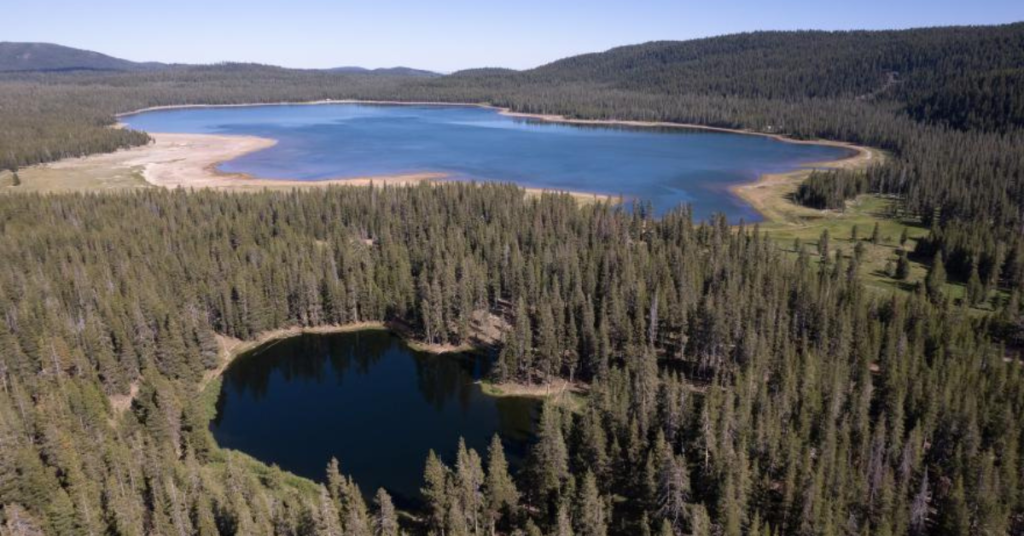
On January 7, 2025, President Joe Biden announced the designation of the Sáttítla Highlands National Monument, encompassing 224,676 acres of the Modoc, Shasta-Trinity, and Klamath National Forests in Northern California. This stunning landscape protects sacred tribal lands, rare flora and fauna, geological wonders, and the headwaters of critical water sources.
At the heart of Sáttítla Highlands sits Medicine Lake Volcano, one of the largest volcanoes in the Cascades Volcanic Arc. The area is known as “Sáttítla” in the Ajumawi language, meaning “obsidian place,” due to its significant obsidian deposits, used by Indigenous peoples for thousands of years.
The volcano’s expansive lava fields stretch over 30 miles, showcasing geologically young lava flows and unique features like cinder cones, spatter cones, and the Giant Crater Lava Tube, the longest known lava tube system in the world.
For Indigenous communities, including the Pit River Tribe, Modoc Peoples, and others, Sáttítla is sacred. The region is central to their creation stories and traditions, serving as a place of healing and ceremony. The area’s designation as a Traditional Cultural Property District highlights its cultural and spiritual importance.
Sáttítla is a refuge for rare species like the northern spotted owl, Cascades frog, and Townsend’s big-eared bat. High-elevation habitats are critical for climate-sensitive species like the Sierra Nevada red fox and gray-headed pika. The monument also supports threatened plant species such as whitebark pine and sugarstick, a parasitic plant linked to old-growth conifers.
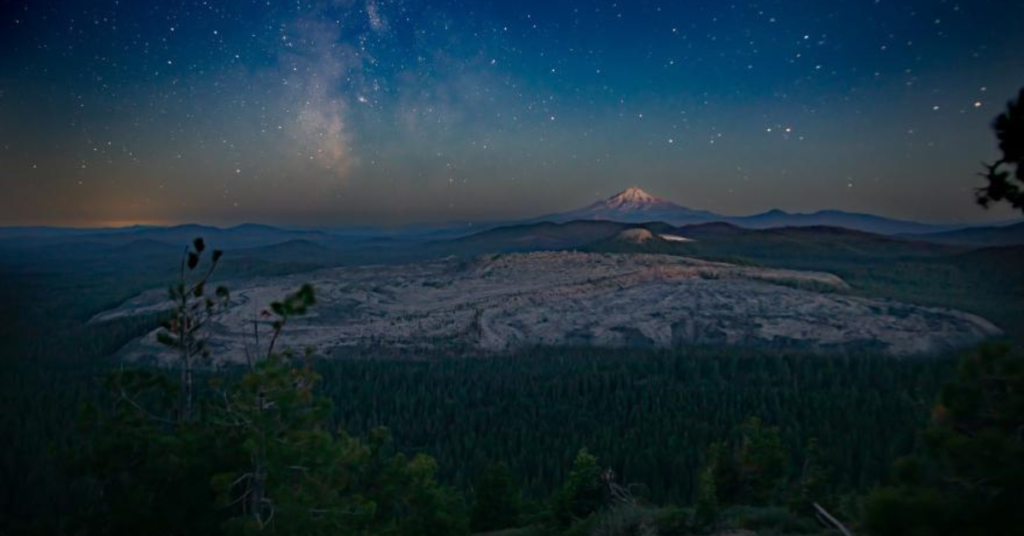
Sáttítla boasts some of the darkest skies in the U.S., ideal for stargazing. The region’s Pumice Crater was even used for training Apollo astronauts in the 1960s to study lunar-like geology.
The Sáttítla Highlands National Monument offers exceptional recreational opportunities, from hiking and camping to exploring its rich volcanic history, while preserving Northern California’s natural and cultural heritage for generations to come.
