How a Northern California Reservoir Is Rewriting the Rules on Water Management
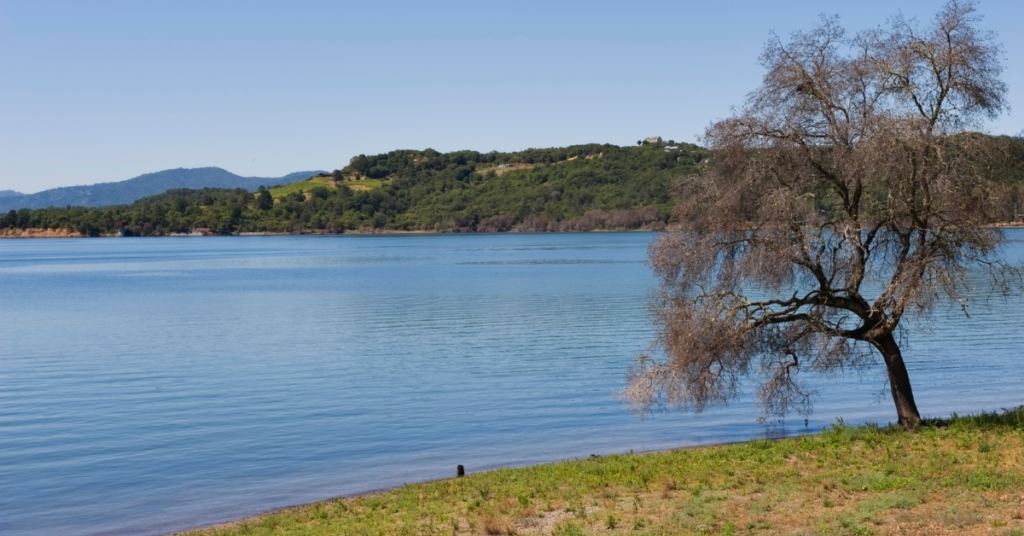
Northern California’s whiplash between drought and deluge is forcing water managers to rethink the rules, and a pilot program in the North Bay is now reshaping how reservoirs operate.
After weeks of rain, the Russian River is running high, a sight that feels reassuring in Healdsburg after years of water anxiety. Not long ago, the conversation was very different.
During the recent drought, Lake Mendocino dropped to historically low levels, nearly losing its ability to reliably supply water at all. Now the reservoir is more than full, sitting at roughly 109% of capacity. But instead of automatically dumping water to meet rigid flood-control rules, managers are using a far more flexible approach.
The change comes from lessons learned in 2013, when early winter storms were followed by months of dryness. Back then, required releases continued deep into spring, draining water that later proved desperately needed during summer.
Today, the U.S. Army Corps of Engineers and regional partners rely on Forecast Informed Reservoir Operations, or FIRO. The system blends traditional flood control with long-range weather forecasts, allowing managers to hold water when storms are unlikely and release it strategically when risk increases. The shift is expected to conserve about 29,000 acre-feet this year.
FIRO’s success has already led to its use at Lake Sonoma, and officials are now looking to expand the model nationwide, an important step as climate extremes become the new normal.
