How Earthquake Early Warning Technology Helped Keep Northern Californians Safe
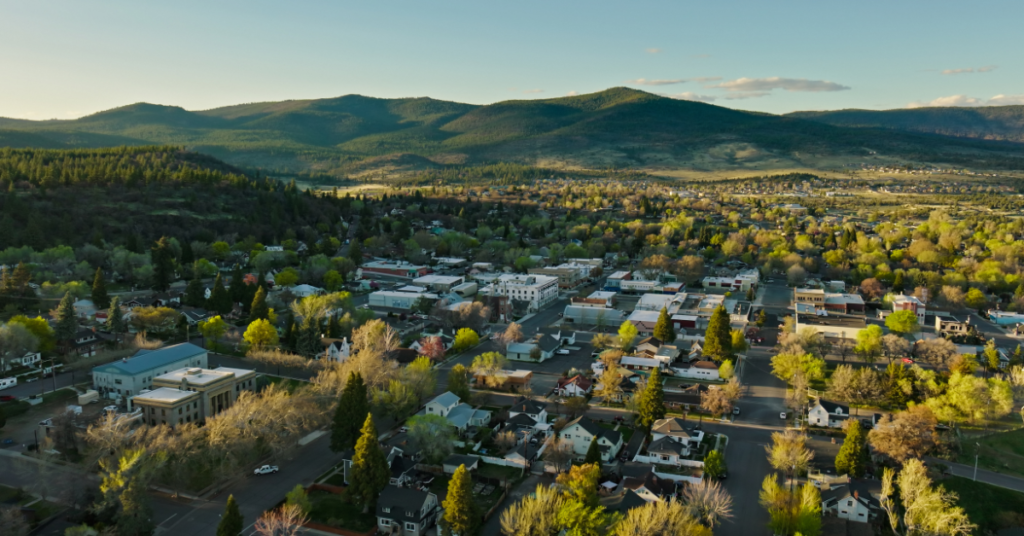
When the ground shook near Susanville in late December, the most important movement happened before many people even felt it—on their phones.
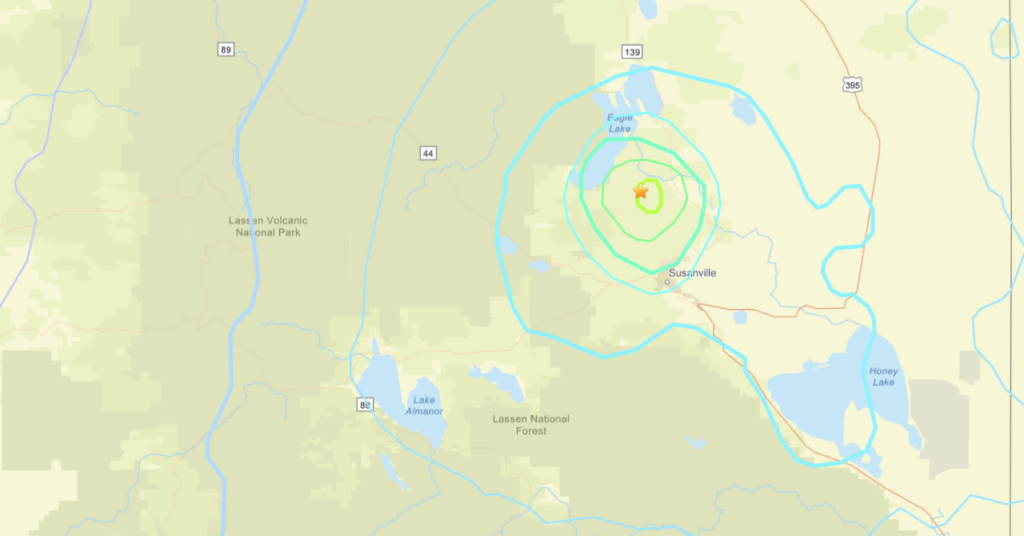
A magnitude 4.9 earthquake struck just after 9 p.m. on December 28, with a shallow rupture only a few miles below the surface. Shallow quakes tend to produce quick, sharp shaking, leaving little time to react. This time, however, technology bought people something invaluable: seconds.
The California Earthquake Early Warning System detected the fault rupture almost instantly and sent alerts across Northern California and western Nevada. In some locations, residents had between 30 and 60 seconds of advance notice, enough time to drop to the ground, take cover under sturdy furniture, move away from glass, or grab a nearby child.
Many people reported feeling their phones buzz with alerts before the shaking arrived, which is exactly how the system is designed to work. Sensors across the state continuously monitor ground motion, allowing computers to calculate the quake’s location and intensity and push warnings out faster than seismic waves can travel.
In Susanville, the shaking rattled dishes and shifted wall hangings, but buildings largely held up well. The U.S. Geological Survey issued a “green” impact assessment, signaling a low likelihood of serious damage or injuries. Farther away, places like Reno and Carson City felt only mild movement.
The quake followed a smaller 4.7 event earlier in the week, part of a normal aftershock sequence. Together, they served as a real-world test of California’s warning network and showed how a few seconds of advance notice can turn a sudden jolt into a safer outcome.
