How Northern California’s Major Reservoirs Look After October’s Big Rains
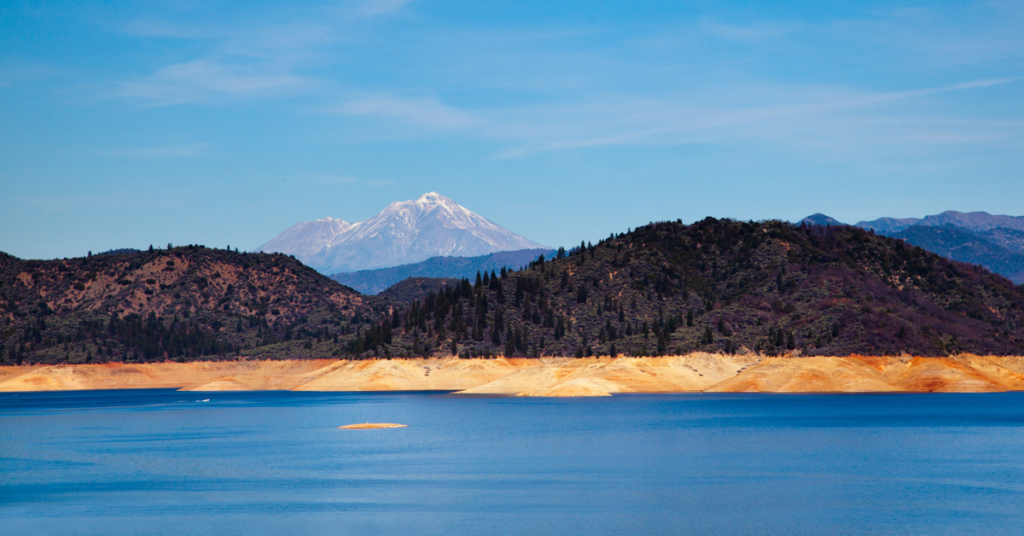
After a series of October storms soaked much of Northern California, you might expect the state’s reservoirs to be brimming. But while the rains helped, most reservoirs only saw modest bumps in storage, serving more as a primer for the wet season ahead than a dramatic refill.
Statewide, California’s reservoirs are about 9% above average for late October, according to the Department of Water Resources. Much of that water didn’t flow directly into reservoirs—soils and dry watersheds soaked up most of the early-season rainfall, setting the stage for more efficient runoff later this winter.
Here’s a look at how the major Northern California reservoirs currently stand:
- Shasta Lake – The state’s largest reservoir sits at 56% of capacity, roughly 5% above normal for this time of year. Shasta reached full capacity earlier this summer after years of drought recovery.
- Lake Oroville – Now 54% full, about 2% above average, Oroville remains in good shape heading into winter. The lake also hit capacity this past summer for the third year in a row.
- Folsom Lake – Sitting at 44% capacity, Folsom is around 2% below its historical average.
- Trinity Lake – Still lagging behind others, Trinity stands at a whopping 71% capacity, which is 21% higher than its historical average this time of year.
With La Niña conditions setting in, forecasters expect a mixed winter ahead—potentially wetter in the north, drier in the south. For now, California’s reservoirs are stable, soils are wet, and the state’s water outlook is cautiously optimistic heading into the heart of the rainy season.
