How Science and Engineering Are Helping Salmon Return to the McCloud River
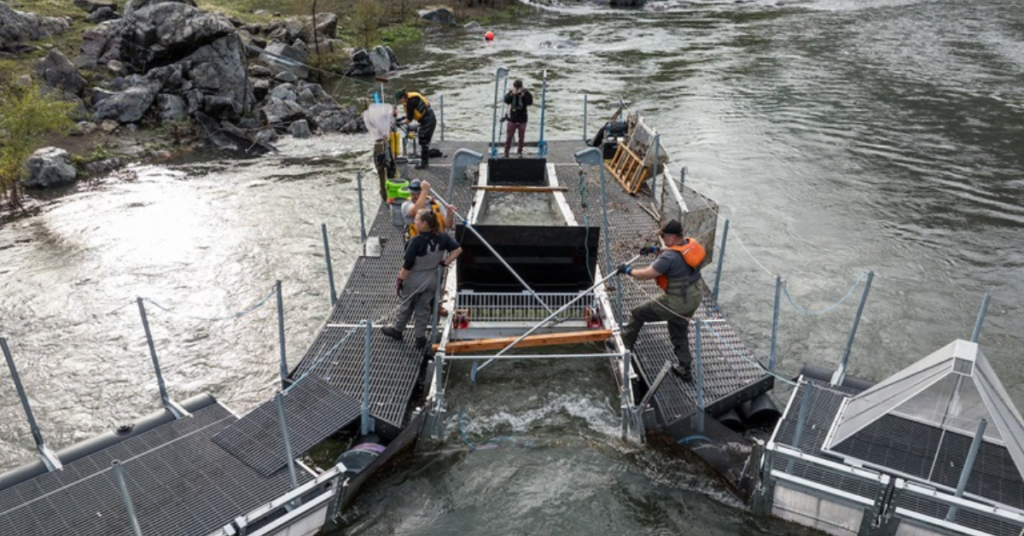
After four years of testing, tweaking, and collaboration, a pioneering effort near Shasta Reservoir is offering new hope for one of California’s most imperiled fish: winter-run Chinook salmon.
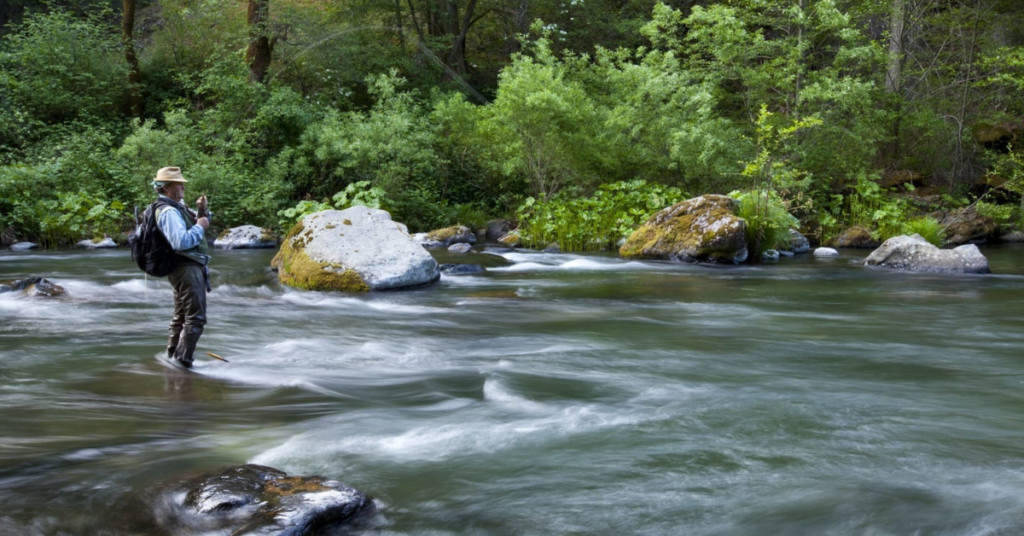
Led by the California Department of Water Resources, the pilot project focused on reconnecting young salmon to the cold, high-elevation habitat they once relied on in the McCloud River. That habitat was cut off decades ago with the construction of Shasta Dam, forcing the species to adapt to warmer, less suitable waters.
The solution tested here was both technical and carefully engineered. DWR designed and built the Juvenile Salmon Collection System, or JSCS, to intercept young salmon before they entered the reservoir. Once collected, the fish were transported downstream, allowing them to continue their journey to the ocean while avoiding the dams entirely.
Over the course of the study, the system evolved. Data from early years informed a redesigned version placed directly in the river, which reduced predators and boosted collection success. To measure performance, researchers released tagged juvenile salmon upstream and tracked how many made it into the system.
The most encouraging sign came later: adult salmon returned. DWR confirmed at least two pairs successfully made it back to the McCloud River to spawn—proof the full life cycle can still work.
The project brought together DWR, California Department of Fish and Wildlife, NOAA Fisheries, the Winnemem Wintu Tribe, and other partners. As the pilot wraps up, its lessons are expected to shape future fish passage efforts across Northern California.
