How Scientists Are Using AI to Track Salmon on the Klamath River After Dam Removal
Just one year after the historic removal of four dams on the Klamath River, scientists are already seeing dramatic results—and artificial intelligence is helping track the river’s recovery in real time.
New monitoring data shows thousands of Chinook salmon moving deep into newly reopened habitat, with some fish traveling more than 360 river miles from the Pacific Ocean into the Upper Klamath Basin for the first time in over a century. The early results confirm what Tribes and scientists long believed: remove barriers, and salmon return.

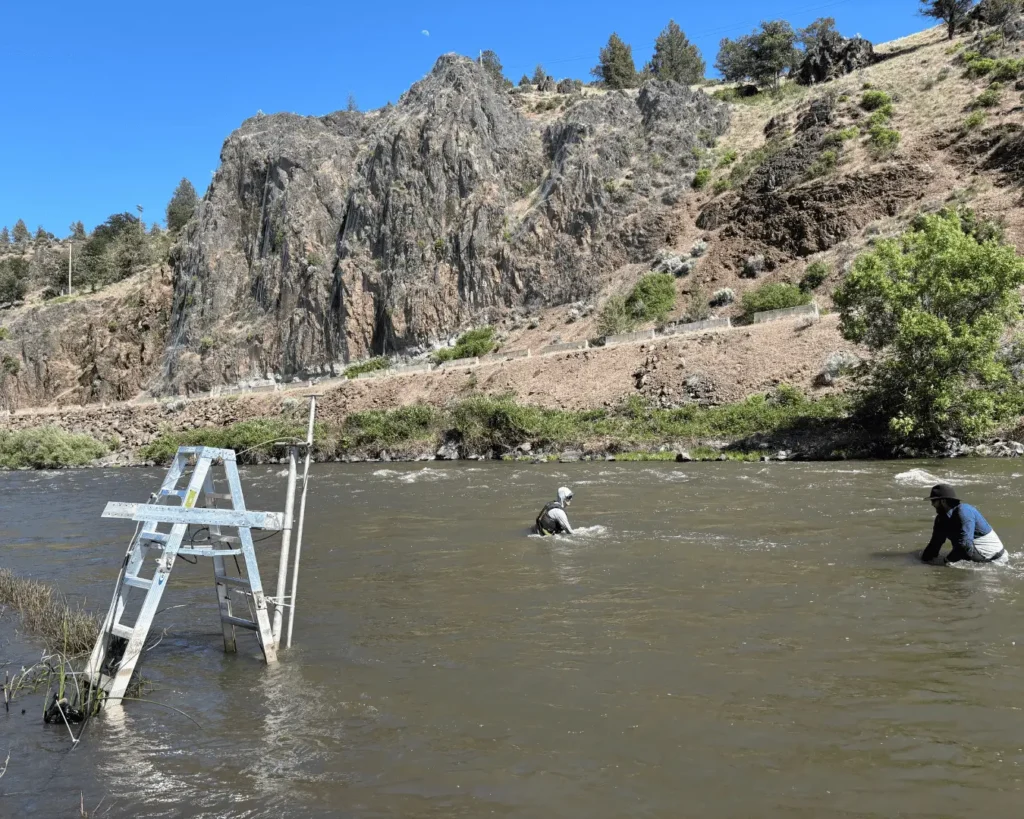
The effort is led by a coalition of more than 19 partners, including CalTrout, the Karuk Tribe, Yurok Tribe, The Klamath Tribes, state wildlife agencies, and university researchers. Central to the project is a sonar fish-counting station installed at the former Iron Gate Dam site, which uses sound waves to capture continuous imagery of migrating fish.
This year, that sonar system got a major upgrade. Through a partnership with the Fisheye Project, scientists are using AI-powered computer vision to automatically detect, track, and count fish as they move upstream. The technology has doubled processing speed and reached accuracy rates as high as 98 percent in some sections of the river.
Preliminary 2025 data shows more than 10,000 large adult Chinook passing the former dam site—a 30 percent increase over last year—with fish arriving earlier and spawning in tributaries that have been blocked for generations.
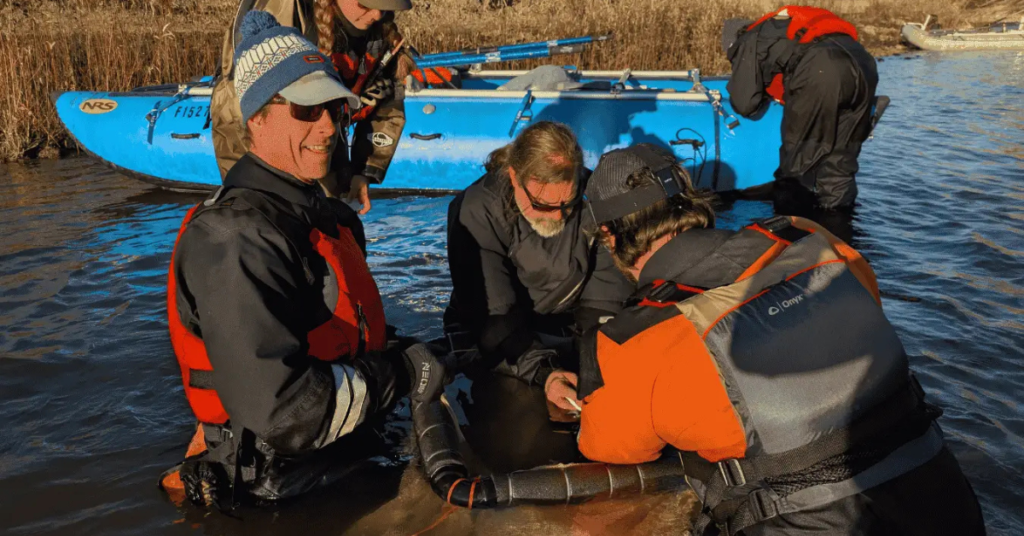
As salmon push upstream, biologists are also tagging and genetically sampling fish to understand how they’re redistributing across the basin. Researchers say it’s only the beginning, but the message is already clear: the Klamath is healing faster than expected.
