Two Competing Bills Would Reshape How California Deals With Bears, Wolves, and Mountain Lions
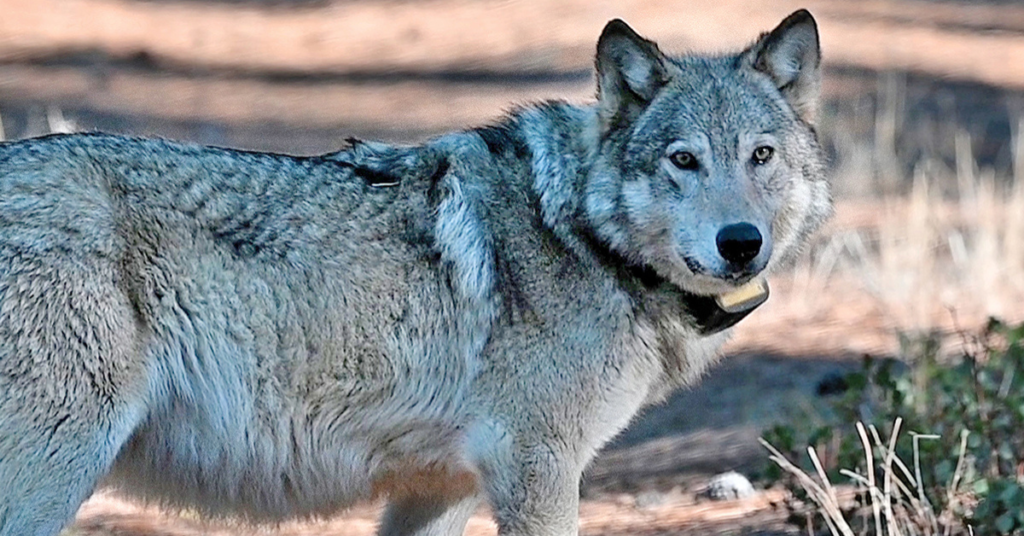
A bear euthanized in a Southern California neighborhood and four wolves killed in Northern California’s Sierra Valley have pushed wildlife policy to the front of the California Legislature. Two competing bills now moving through Sacramento reflect a growing divide over how the state manages its expanding predator populations.
Senate Bill 1135, introduced by State Senator Catherine Blakespear, would direct the California Department of Fish and Wildlife to create a formal Wildlife Coexistence Program. It would cover public education, technical assistance, and a statewide incident reporting system. The bill would also require ranchers seeking compensation for livestock losses to prove they were already using state-approved nonlethal deterrents before any predator is killed.

Blakespear has noted that a similar program previously existed in California but lost its funding. She argues that humans need to see themselves as part of a larger ecosystem rather than separate from it.
Rural lawmakers aren’t convinced. For ranching families in counties like Lassen, Shasta, and Siskiyou, wolf attacks on livestock aren’t abstract policy debates. They’re a recurring and costly reality.
On the other side of the Capitol, El Dorado County Sheriff Leikauf has been working alongside Assemblywoman Heather Hadwick on Assembly Bill 1722. The bill would add a self-defense exception to the California Endangered Species Act, shielding individuals from criminal or civil penalties if they act to protect themselves from a listed species. AB 1722 has cleared the Assembly Judiciary Committee and is now headed to the Assembly Appropriations Committee.
El Dorado County has dealt with significant mountain lion activity in recent years, including a fatal attack in 2024.
Taken together, the two bills capture the central tension California faces as bear, wolf, and mountain lion populations push deeper into areas where people live, work, and raise livestock.
