Klamath River Sees Salmon Surpass Key Barrier for First Time in a Century
For the first time in over a century, salmon are pushing farther into the upper Klamath Basin, a milestone that carries major implications for the famed Klamath River.
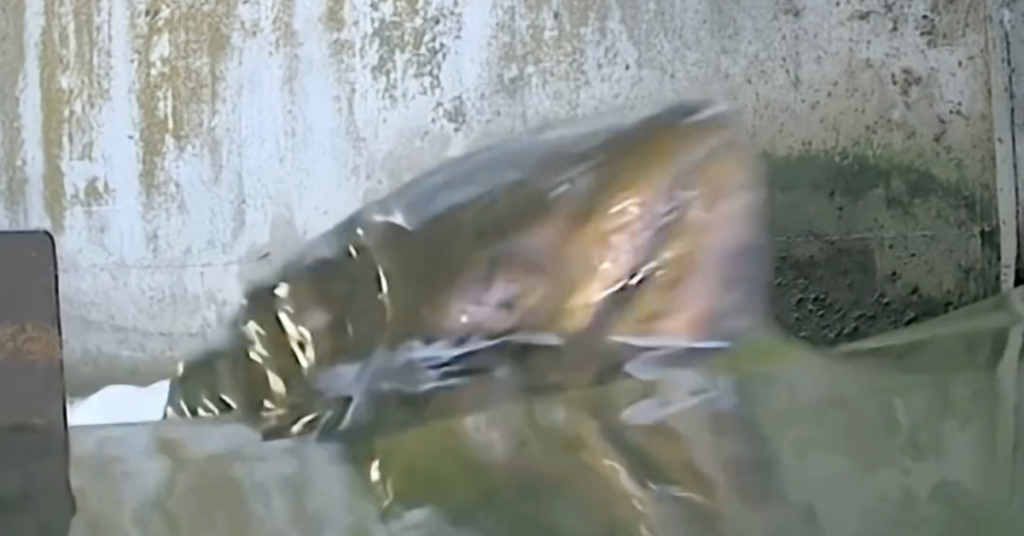
On September 24, a Chinook salmon was recorded passing through the fish ladder at Keno Dam in southern Oregon, according to the Oregon Department of Fish and Wildlife (ODFW). It marks the farthest upstream salmon have reached since the removal of four lower Klamath River dams in 2024 reopened historic habitat long blocked by hydroelectric projects.
A video was captured of the monumental event:
The sighting has sparked optimism for the species’ recovery throughout the basin. “That salmon have so quickly shown us they can pass this key barrier renews our sense of optimism for this population,” said ODFW Watershed Manager Phil Milburn.
The return is significant for Northern California stretch of the river, where salmon runs have dwindled due to blocked habitat and degraded water quality. With more fish able to access historic spawning grounds, populations that once defined the Klamath River could begin to rebound.
Still, challenges remain. Salmon must also navigate Link River Dam, Upper Klamath Lake, and numerous unscreened diversions before reaching the basin’s prime spawning grounds. ODFW says upgrades to fish passage facilities at Keno Dam and beyond are critical to long-term success.
Even so, seeing a salmon swim past Keno is a powerful sign of resilience for a river system and a culture long tied to its fish. For the Klamath, hope is flowing again.
