Lawsuit Planned After Feds Halt Wolf Recovery Plan as Northern California Packs Grow

The Center for Biological Diversity announced this week that it intends to sue the U.S. Fish and Wildlife Service after the agency declined to create a national gray wolf recovery plan—despite wolves remaining endangered across most of the country and slowly returning to states like California.
The notice follows a recent Trump administration finding that Endangered Species Act protections for gray wolves are “no longer appropriate,” and that no updated recovery plan will be developed. Conservationists say this directly contradicts science and reverses commitments made under the Biden administration, which previously agreed to pursue a nationwide recovery strategy.
“We’re challenging the Trump administration’s unlawful decision to once again abandon wolf recovery,” said Collette Adkins, carnivore conservation director at the Center. “Wolves need a comprehensive plan that reflects their full range—not just a single region.”
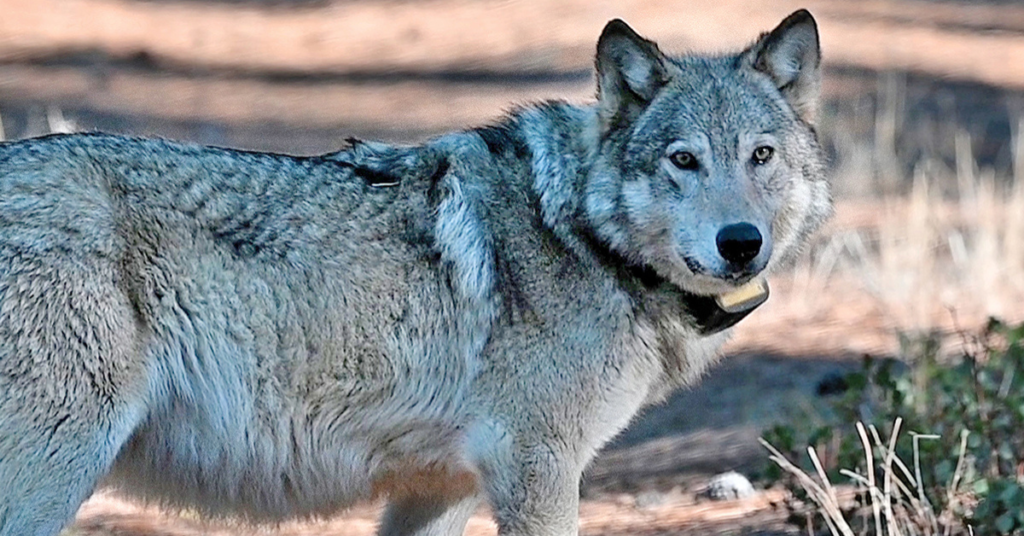
The only existing federal wolf recovery plan was written in 1992 and focuses almost entirely on Minnesota. It overlooks areas where wolves are now reestablishing themselves, including Northern California, where multiple packs—such as the Whaleback, Beyem Seyo, and Lassen Pack—have formed in recent years. These wolves have arrived naturally from Oregon, marking the first consistent wolf presence in California since the 1920s.
Despite this progress, wolves in California remain extremely vulnerable. Most packs number fewer than a dozen animals, and confirmed wolf territory occupies only a fraction of the state’s suitable habitat. A national plan, advocates say, would help guide long-term recovery in places like Siskiyou, Lassen, Plumas, and Modoc counties, where wolves have begun to den, reproduce, and disperse.
The Center’s announcement starts a 60-day countdown before a lawsuit can be filed in federal court. The group says it will formally sue in February.
Today, wolves occupy only 15% of their historical range in the lower 48. Conservationists argue that without a national strategy, wolf recovery in states like California will remain fragile—and vulnerable to political swings rather than science-based management.
