More Than 6,000 Salmon Return to Spawning Grounds on Klamath River Following Dam Removal
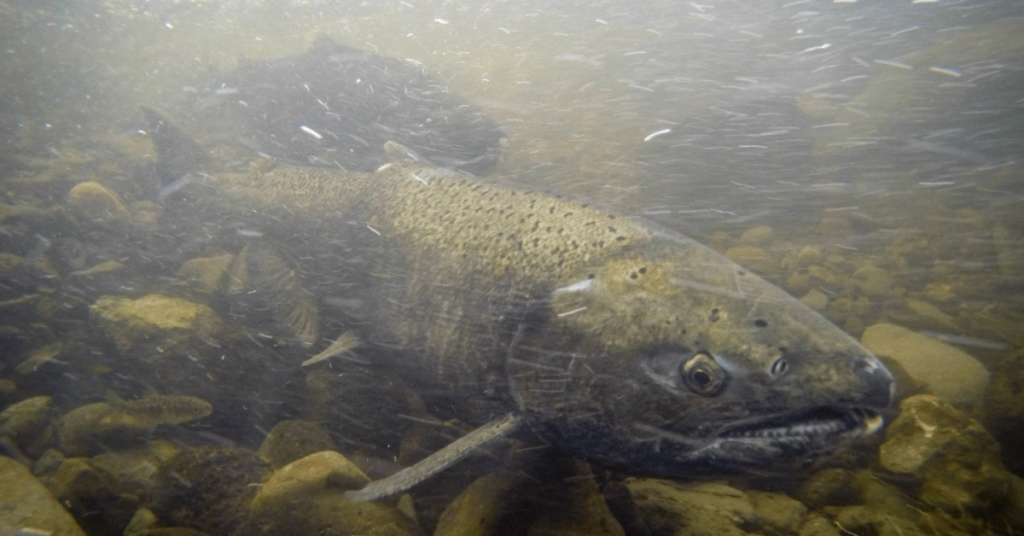
Since the launch of the Klamath River Science and Monitoring Program in July 2024, exciting progress has been made in tracking fish migration following the removal of the Klamath River dams.
Led by CalTrout and a coalition of tribal, state, federal, academic, and nonprofit partners, the program has documented over 6,000 Chinook salmon passing through the former Iron Gate Dam site between October 17 and 29, 2024.
Using a SONAR camera installed at the site, scientists captured continuous video-like imagery of the fish. Analysis revealed that 98% of these migrating fish were over 20 inches long, with an estimated 221 to 588 fish passing through daily during this period. The SONAR provided the first evidence of salmon reclaiming newly reopened habitats just days after dam removal construction was completed.
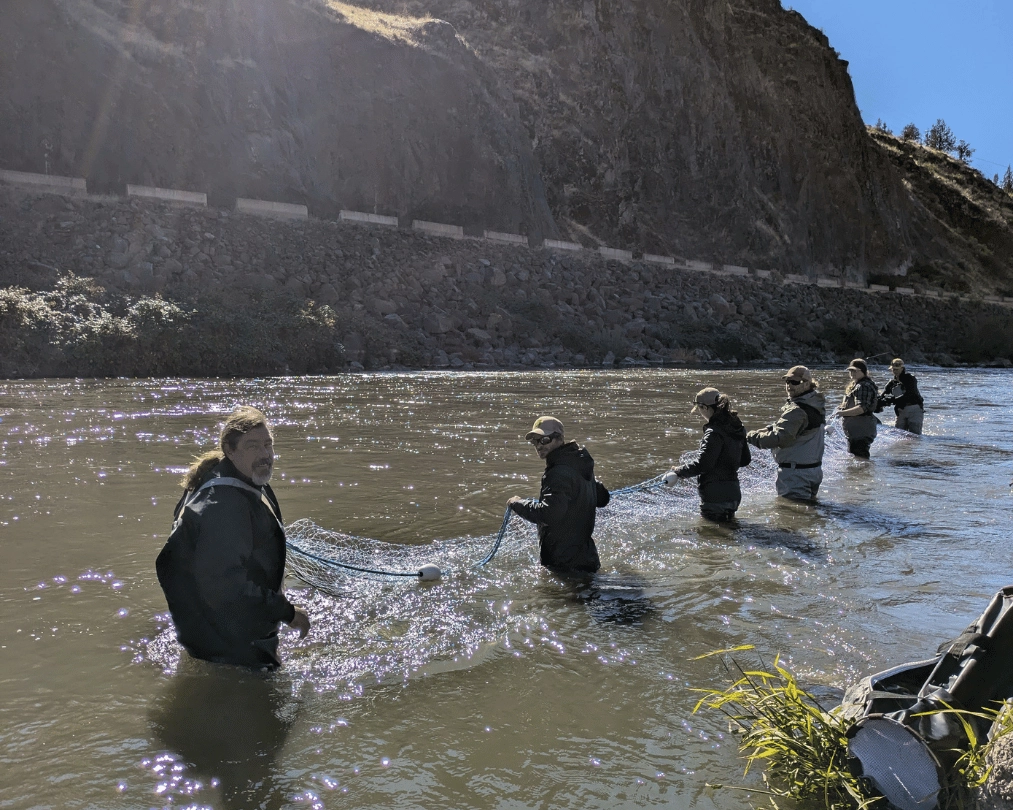
To further study the returning fish, the team employs multiple methods, including netting, radio telemetry, and spawner surveys. These techniques collect data on fish species, size, genetics, nesting locations, and migration patterns. On October 25, the team tagged their first Chinook salmon and steelhead, followed by a coho salmon on December 4, marking significant milestones in this groundbreaking restoration effort.
The project represents a collaborative effort between the Karuk Tribe, Klamath Tribes, Yurok Tribe, and numerous government and nonprofit organizations. Funded by agencies like NOAA Fisheries and the U.S. Fish and Wildlife Service, this program showcases how dam removal can restore ecosystems, creating a model for future river restoration across California.
Watch the full video on the project:
