Native Turtles Return to Yosemite Ponds Following Bullfrog Removal
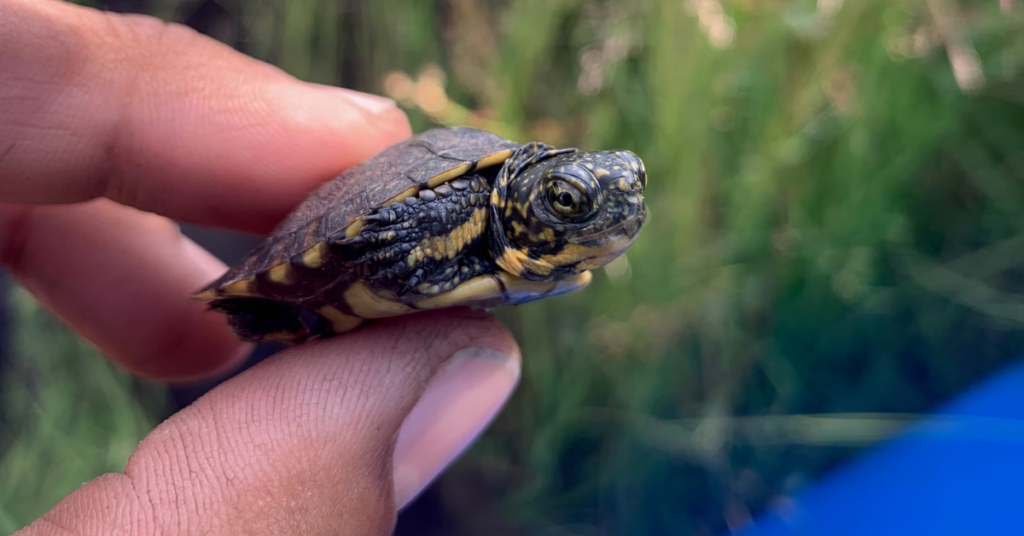
Invasive bullfrogs have long plagued Yosemite’s ponds, silencing native species and devouring young wildlife. But a recent UC Davis study reveals that their removal is giving native turtles a second chance.
For decades, American bullfrogs—introduced to Yosemite in the 1950s—threatened the northwestern pond turtle, one of California’s only native freshwater turtle species. Bullfrogs are voracious predators, known to eat anything that fits in their mouths—including baby turtles, snakes, newts, and even birds.
Between 2016 and 2022, researchers monitored four pond sites in Yosemite. At locations where bullfrogs were present, only large adult turtles remained. But once bullfrogs were nearly eradicated in 2019, juvenile turtles began to reappear—along with a resurgence of native frogs and salamanders.
“Turtles were up to 100 times more abundant at sites without bullfrogs,” said lead author Sidney Woodruff. “It’s nice to go back to these sites and hear a chorus of native frogs again.”
The study, published in Biological Conservation, suggests targeted bullfrog removal could be a vital tool in helping native turtle populations rebound—especially in high-priority conservation areas.
With western pond turtles disappearing from more than half their historical range, scientists warn that their continued decline could mean the loss of California’s only native freshwater turtle.
“This species is part of our natural heritage,” said senior author Brian Todd. “If it disappears, there’s nothing to replace it.”
