New NOAA Study Shows West Coast Salmon Are Finally Bouncing Back

A new NOAA Fisheries study offers rare good news for West Coast salmon and steelhead: most populations protected under the Endangered Species Act (ESA) have increased over the past 25 years, reversing decades of decline.
Scientists examined 28 population groups across five species—from California to Washington—and found that a majority of ESA-listed groups grew in abundance, while none slipped into extinction. Protected populations also rebounded faster than unlisted groups, a sign that conservation efforts are working.
“At the time of the salmon listings, there was a path toward recovery and a path toward extinction,” said lead author Michael Ford. “So far, we have avoided extinction and even succeeded in moving many populations in the right direction, but most are still far from complete recovery.”
Habitat Restoration Pays Off
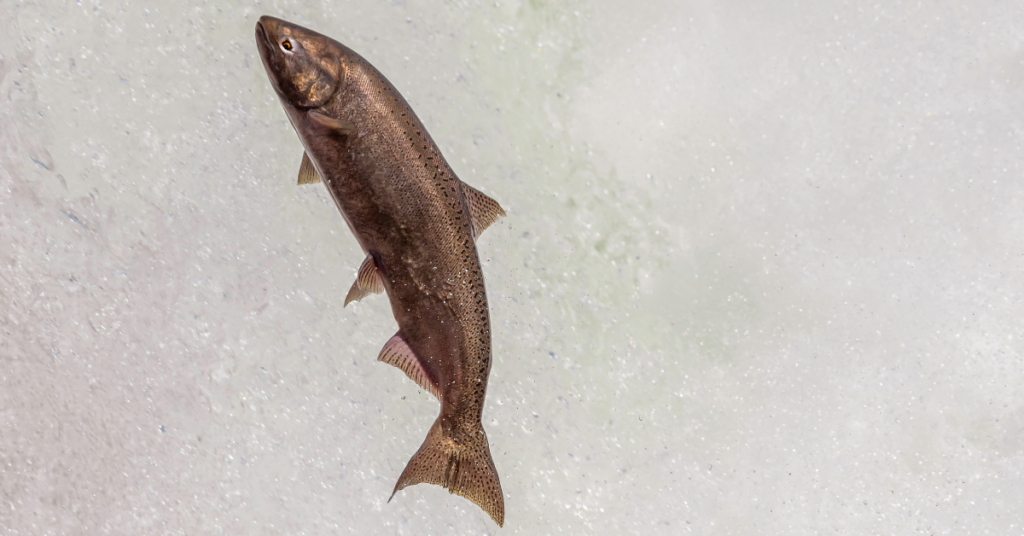
The upward trend is especially notable given the West Coast’s rapid population growth and increasingly harsh environmental pressures—warming streams, shrinking snowpack, and worsening drought. But the research points to one key factor behind the salmon rebound: habitat improvement driven by local communities, tribes, and landowners.
Northwest salmon showed stronger gains than California populations, which face heavier climate stress at the southern edge of the species’ range. Still, several California groups benefited from innovative agreements like Sonoma County’s Safe Harbor program, which restores habitat across ranches and vineyards without restricting land use.
A Long Road Ahead
Some populations—like Snake River fall-run Chinook, Hood Canal summer chum, and Oregon Coast coho—have surged dramatically. But threats remain. Marine mammal predation has increased, stream flows continue to drop, and changing ocean conditions play a major role in survival.
The takeaway? ESA protection and long-term habitat investment can push salmon toward recovery, but reversing decades of damage requires persistence, community involvement, and time.
