Study Finds Dangerous Fire Weather Is Increasing, Raising Concerns for Northern California
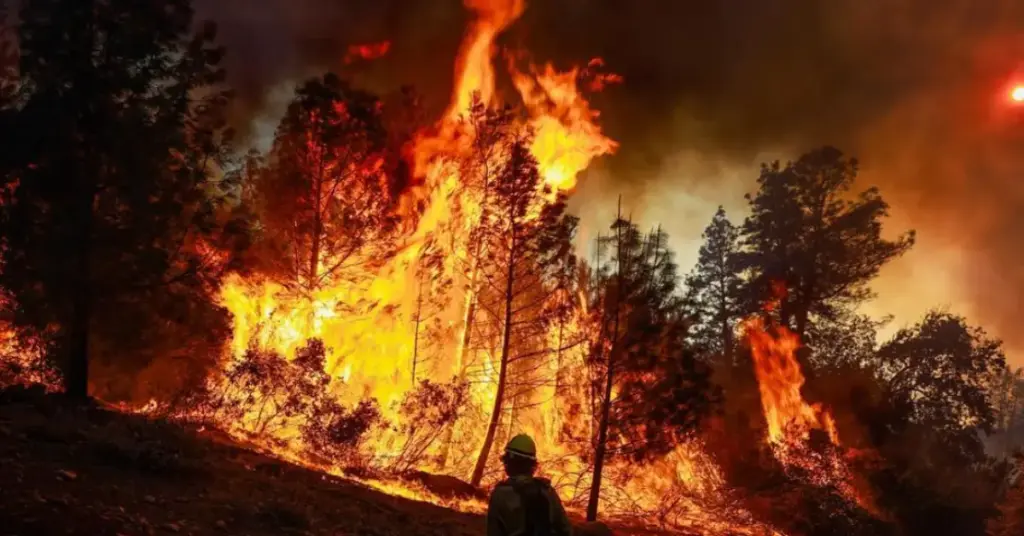
A new scientific study suggests the type of weather that fuels large, fast-moving wildfires is becoming far more common around the world. The trend could have serious implications for fire-prone regions like Northern California.
Researchers found that the number of days with “extreme fire weather” has nearly tripled globally over the past 45 years. These conditions typically include a dangerous combination of hot temperatures, dry air and strong winds that can quickly turn a small spark into a major wildfire.
The study also found that these conditions are occurring more frequently at the same time in multiple regions. Scientists call this “synchronous fire weather.” In the early years of the data from 1979 through the early 1990s, the world averaged about 22 of these days each year. In 2023 and 2024, that number climbed to more than 60 days annually.
For Northern California, the findings reflect a troubling pattern. The region has experienced several catastrophic fires in recent years, including the Camp Fire, Carr Fire and Dixie Fire, all of which were fueled by extreme weather conditions.
According to the study, the western United States has seen a sharp rise in these fire-friendly weather days. From 1979 to 1988, the continental United States averaged about 7.7 synchronous fire weather days per year. Over the past decade, that number has jumped to roughly 38 days annually.
Scientists estimate that more than 60 percent of the increase is linked to human-driven climate change, largely tied to greenhouse gas emissions from burning fossil fuels.
Researchers emphasize that weather alone does not start wildfires. Fires also require vegetation, oxygen and an ignition source such as lightning or human activity. However, when extreme weather conditions line up, the chances of large and destructive fires increase significantly.
