Study Reveals Climate Change Has Intensified Tree Loss in California Wildfires
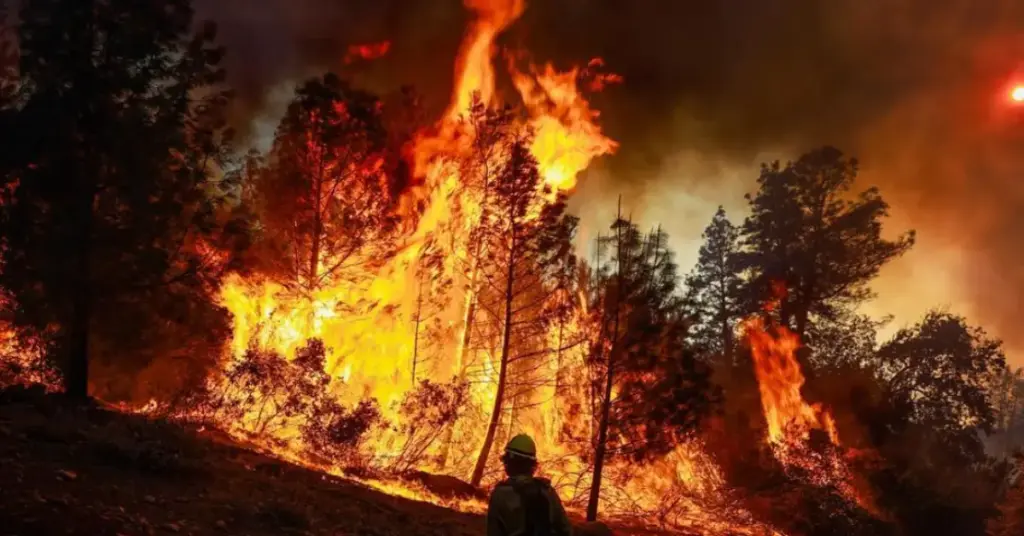
California’s wildfires have become significantly more severe in recent decades, with devastating effects on tree cover, according to a new study published in Environmental Research Letters by researchers from the University of California, Irvine, and the University of Utah.
The study reveals that wildfires are not only larger but also more intense, causing unprecedented levels of tree canopy destruction.
Since the 1980s, wildfire severity in California has increased by 30%, fueled by a warmer, drier climate. Researchers found that for every acre burned, the damage to tree cover is significantly higher than in past decades. This increased intensity is linked to fires reaching tree crowns, where flames cause more extensive damage and tree mortality.
The study also highlights how wildfires have expanded into denser forests in Northern California, areas previously protected by cooler temperatures and higher moisture levels. These forests, including iconic groves of giant sequoias in Sequoia and Kings Canyon National Parks, are now more vulnerable to extreme fire behavior as the climate continues to warm.
By analyzing satellite imagery dating back to 1985, researchers determined that tree cover loss is rising at twice the rate of the increase in burned areas. This means that it’s not just the size of wildfires that is growing—it’s their intensity and impact on forests.
The findings emphasize the urgent need for better forest management and climate action. Without intervention, severely burned forests may give way to shrub and chaparral ecosystems better suited to California’s hotter, drier climate, permanently altering the state’s iconic landscapes.
You can read to the entire study here.
