The Ancient Story Behind the Small Holes Scattered Across Yosemite
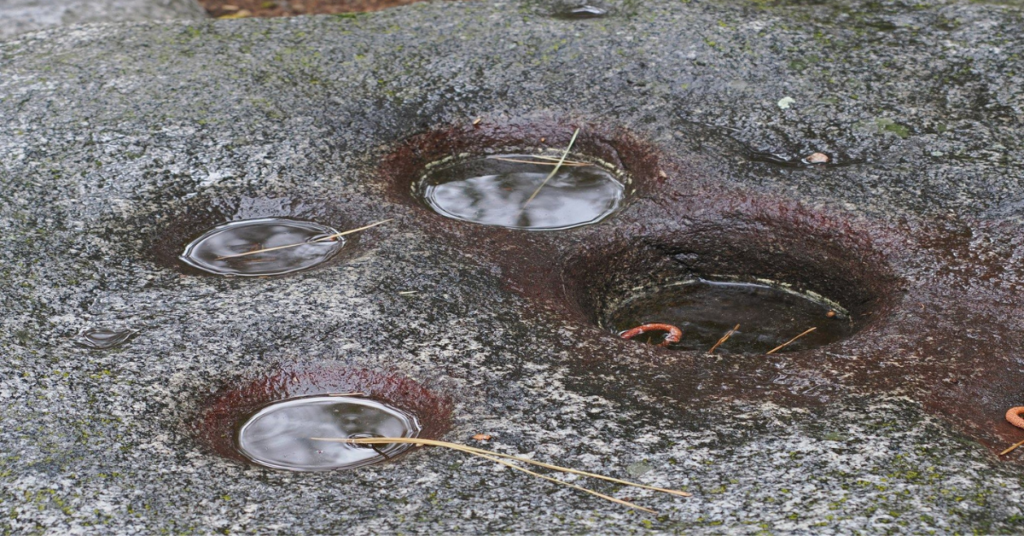
If you have wandered through Yosemite National Park, you may have noticed small bowl-shaped holes carved into large granite rocks. They can look ordinary at first, but those markings are actually traces of daily life that stretch back thousands of years.
Earlier this month, park officials shared that the holes were created and used by Native people who lived in Yosemite Valley. The area is rich with black oak woodlands, and black oak acorns were a major food source. After harvesting, acorns were cracked, shelled, and skinned before being placed into shallow rock depressions.
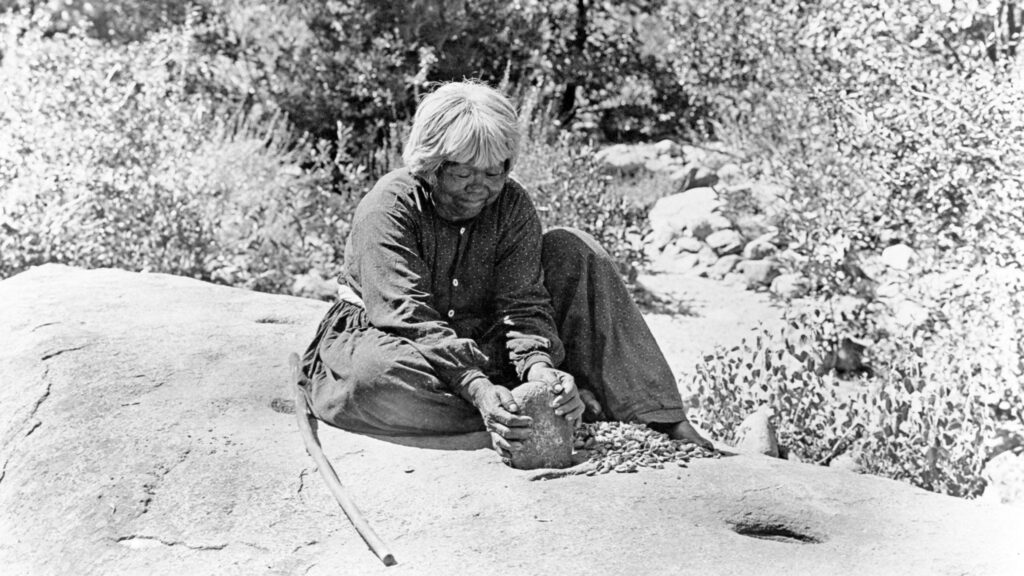
Using heavy stone pestles, Native women rhythmically crushed the acorns into a coarse meal. The process was repeated until the meal could be sifted through woven baskets, leaving behind a fine flour. That flour was later mixed with water and cooked into a nourishing mush.
Over generations, the repeated pounding slowly wore away the granite, forming the smooth holes still visible today. Shallow holes were typically used for black oak acorns, while deeper ones were made for tougher foods like manzanita berries.
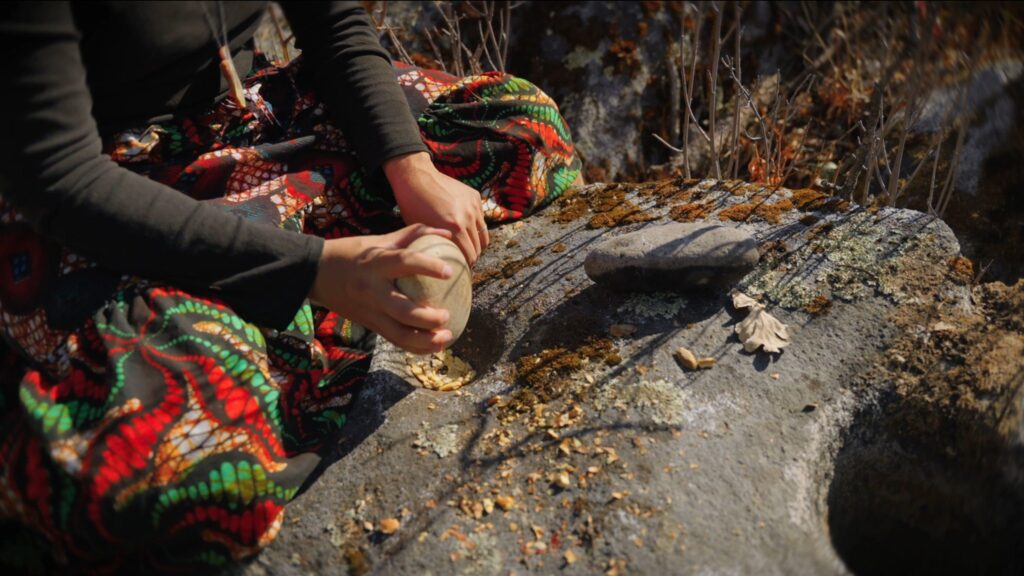
The National Park Service reminds visitors that these sites are culturally significant and protected. If you encounter them on the trail, take a moment to appreciate their history, but do not touch or disturb them.
