What Could Happen if Northern California’s Public Lands Are Put Up for Sale?
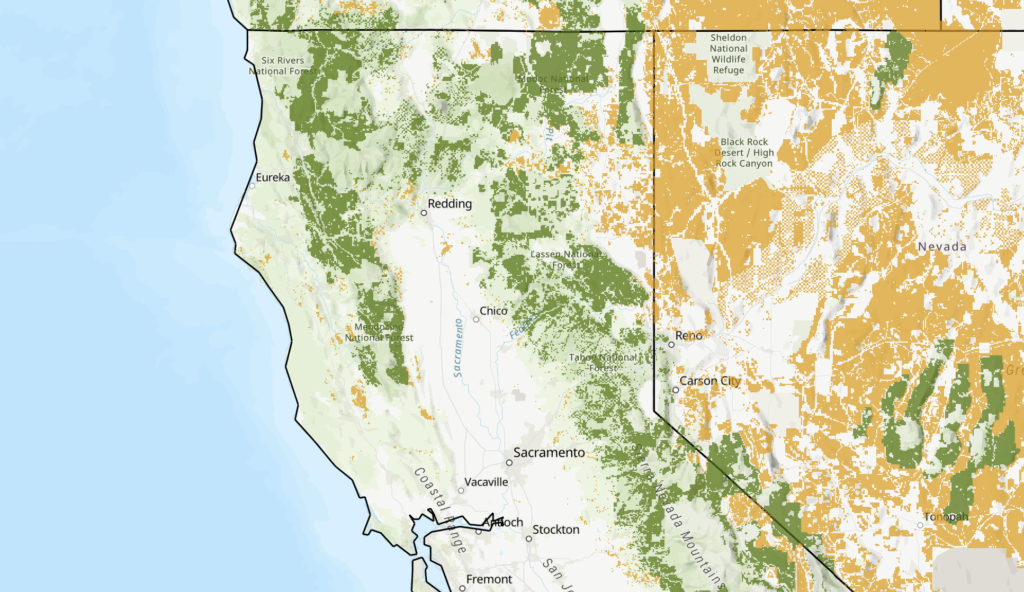
A new federal proposal has reignited an old debate—should the government sell off public lands to balance the budget and encourage economic growth?
If a current bill working its way through Congress gains traction, it could open the door to privatizing vast swaths of public land across the U.S., including large areas in the mountains of Northern California.
On the surface, it sounds like a bold move to reduce federal debt and boost local economies. Supporters argue that selling off underutilized federal lands—especially those not tied to national parks or protected wilderness areas—would shift the burden of management and maintenance away from the federal government and into the hands of private entities or local governments. They see it as a win-win: more tax revenue, more local control, and fewer resources spent on remote lands that serve little practical use.
But that’s only one side of the story.
Opponents of the bill warn that the consequences could be dire—especially in regions like the Sierra Nevada, the Klamath Mountains, and the southern Cascades, where public land is not only abundant but central to the outdoor lifestyle, tourism economy, and environmental stability. Northern California is home to millions of acres of national forest, BLM land, and recreation areas. The fear is that selling off even small portions could create a domino effect: loss of public access, blocked trails, increased logging and development, and erosion of the region’s ecological health.
Imagine your favorite backcountry trail suddenly behind a fence. Picture pristine alpine lakes turned into private resorts, or forests near your town cleared for timber. It’s not a far-fetched dystopia—these are outcomes that could follow a poorly regulated land sell-off.
The bill doesn’t specifically list which parcels would be up for sale. Instead, it provides a broad framework, calling for an inventory of “disposable” federal lands. That vagueness is exactly what has conservationists on edge. Once these lands are sold, they could be developed, mined, or simply closed off to the public, depending on who buys them.
That said, there’s also room for nuance in this debate. Some rural counties in Northern California, many of which struggle with limited tax bases, argue they could benefit from more local control over land. If counties were allowed to purchase land and manage it for sustainable logging, tourism, or housing, it might offer a path to revitalization—if done carefully. It’s a compelling idea, especially in areas where federal ownership makes up the bulk of the land and stifles economic activity.
Still, it’s a risky path to walk.
The mountains of Northern California are more than just real estate—they’re home to ancient redwoods, sacred tribal lands, wild rivers, and ecosystems already stressed by wildfire, drought, and development. They also support a vibrant recreation economy. Outdoor tourism is big business here, and public lands are the foundation of that. Selling off those lands could hurt the very communities the bill claims to help.
So what happens next?
It’s still early. The bill will face major political hurdles, and opposition from environmental groups, outdoor recreation industries, and some Western lawmakers will be fierce. But the conversation is picking up steam, and it’s worth paying attention.
If you care about access to your favorite hikes, your local river, your annual camping trip, or the health of our forests, now’s the time to stay informed. Whether this bill succeeds or fails, it highlights a deeper question we’ll have to keep asking: Who do our wild places belong to—and what are we willing to do to keep them that way?
