What’s Behind the Recent Surge of Shark Attacks on the Northern California Coast?
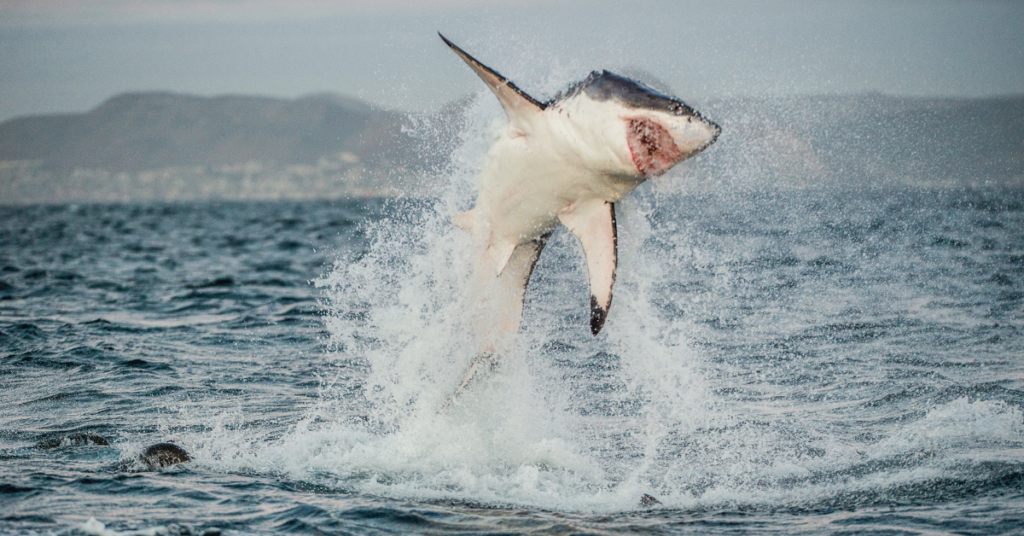
A string of shark encounters along Northern California’s coastline this month has put renewed focus on the Bay Area’s infamous Red Triangle, one of the most active regions for large sharks in the world.
The Red Triangle is a roughly triangular stretch of ocean that runs from Bodega Bay south to Monterey, with its western edge extending out to the Farallon Islands. The region is known for its abundant population of great white sharks, drawn in by thriving seal and sea lion colonies.
In December alone, three shark incidents were reported within the Red Triangle, an unusually high number for this time of year. Two involved surfers in the North Bay. On December 12, a surfer was bitten on the hand at Salmon Creek State Beach. Ten days later, another surfer was knocked off their board at Dillon Beach, where a shark left a sizable gash in the fiberglass board. Earlier in the month, a fatal attack occurred near Pacific Grove.

Researchers note that shark encounters typically peak earlier in the fall, often between September and November, when migrating great white sharks return to coastal waters after spending time offshore. Seeing multiple incidents in December stands out, especially as activity usually tapers off by late fall.
Salmon Creek, in particular, has earned a reputation as a shark hotspot. Cloudy water conditions, a nearby seal haul-out, and the area’s history as a salmon run may all contribute to repeated encounters there.
Despite the recent headlines, shark incidents along the Sonoma Coast remain rare. Since formal record-keeping began in 1950, only 16 confirmed encounters have been documented. Experts emphasize that sharks are a permanent part of California’s coastal ecosystem—and anyone entering the ocean should understand they’re sharing space with wildlife in a truly wild environment.
