Why Lake Tahoe Never Freezes, Even in the Coldest Winters
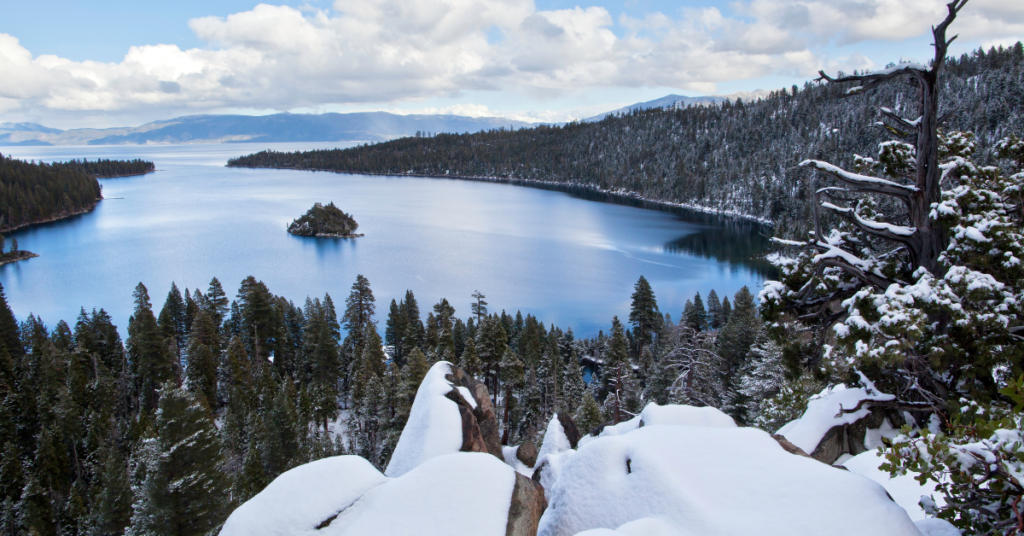
Lake Tahoe may sit in one of the snowiest mountain ranges in the country, but the lake itself refuses to freeze, and it all comes down to physics.
Tahoe is incredibly deep at 1,645 feet, making it the second-deepest lake in the United States behind Crater Lake. That depth is the key. When surface water cools in winter, it becomes denser and sinks before it can freeze. Warmer water rises to the top, cools, and sinks again.
This constant cycling continues through the entire water column. A lake must reach 39.2 degrees Fahrenheit from top to bottom before ice can form at the surface, and with Tahoe’s massive depth, that simply never happens.
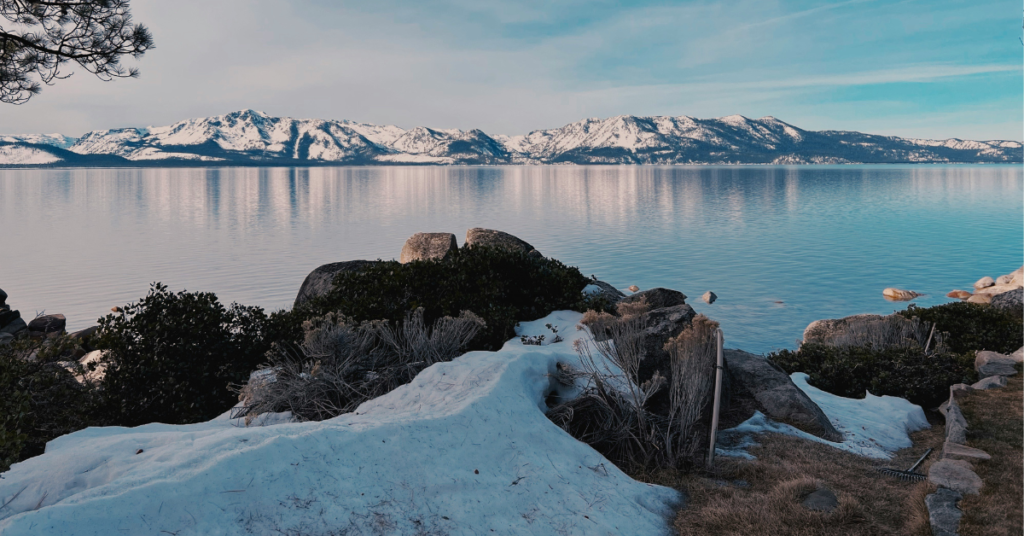
Size matters too. Tahoe stretches 22 miles long and 12 miles wide. With that much water, the lake absorbs enormous amounts of solar energy even during the coldest months. Tahoe’s famously clear, algae-free water allows sunlight to penetrate unusually deep, warming the lake and helping maintain temperatures well above freezing. That solar heating is why winter mornings near the lake can actually feel warmer than the surrounding mountains.
While some shallow areas like Emerald Bay occasionally ice over, Lake Tahoe as a whole will never freeze solid. So if you were picturing yourself ice-skating across its iconic blue surface, you might want to keep those plans on dry land.
