Why One of California’s Most Sought-After Seafood Cuisines is Banned for Another 10 Years
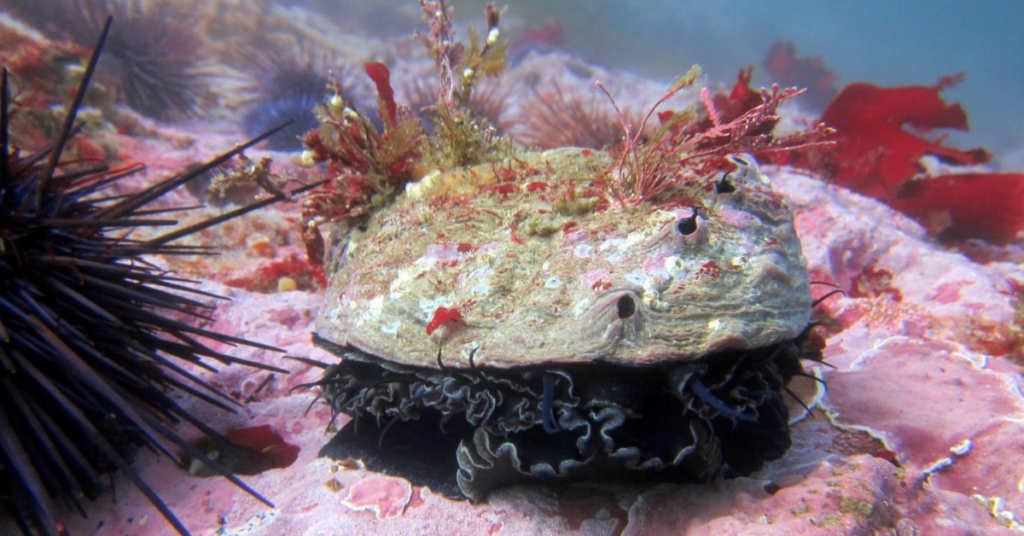
Red abalone have long been part of life along the rocky shores of Central and Northern California. Found in shallow bays, tide pools, and kelp forests, the sea mollusks were harvested for centuries by Native American tribes and later by Chinese and Japanese Americans, commercial divers, and recreational fishermen. Prized for their mild flavor and striking iridescent shells, red abalone were once abundant along the coast.
That’s no longer the case.
The California Fish and Game Commission has extended the statewide ban on red abalone harvesting for another 10 years, citing continued population declines and slow recovery. Commercial fishing for red abalone has been illegal since 1997, and in 2018 the state expanded the ban to include recreational fishing after surveys showed the species was no longer reproducing at sustainable levels. At its peak, the fishery generated an estimated $44 million annually for coastal communities.
Overfishing played a role, but scientists say the primary driver of the collapse is the loss of kelp forests—red abalone’s main food source. Since 2014, roughly 95% of kelp in Northern California waters has disappeared, largely due to warming ocean temperatures, intense storms, and an explosion of purple sea urchins that also feed on kelp.
The problem worsened after sunflower sea stars, which once kept urchin populations in check, were decimated by sea star wasting disease beginning in 2013. With fewer predators and less kelp, red abalone have struggled to survive.
State officials hope long-term protections will give kelp forests—and red abalone—a chance to recover in the years ahead.
