Why the Trump Administration Is Weighing in on Northern California’s Eel River

A long-simmering fight over the future of two dams on Northern California’s Eel River has taken a new turn, with federal officials stepping in as Pacific Gas and Electric Co. moves closer to dismantling the century-old Potter Valley Project.
The U.S. Department of Agriculture has formally intervened in the regulatory process surrounding PG&E’s request to surrender its hydropower license and decommission the project, which includes Scott Dam in Lake County and Cape Horn Dam in Mendocino County. PG&E has argued that the aging system is costly to operate and no longer makes economic sense, prompting its request for approval from the Federal Energy Regulatory Commission.
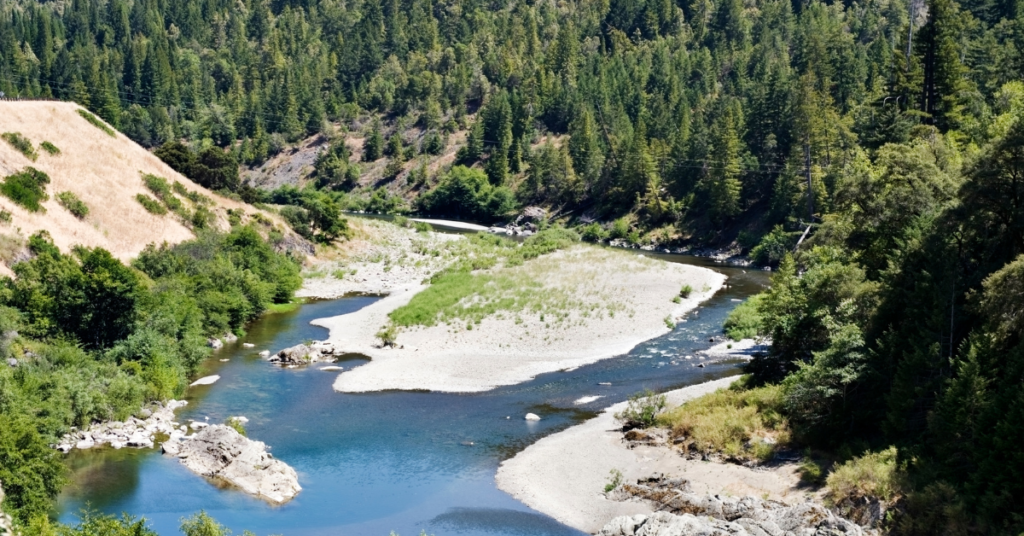
Supporters of dam removal—including tribes, environmental organizations, and fishing advocates—see the project’s retirement as a chance to restore the Eel River, which would become the longest free-flowing river in California. Removing the dams would reopen hundreds of miles of habitat for Chinook salmon and steelhead trout that have been blocked from upstream spawning grounds for generations.
Opponents, however, warn of serious consequences for rural communities and agriculture. The Potter Valley Project is unusual in that it diverts water from the Eel River into the Russian River watershed, bolstering water supplies for farms, vineyards, and cities in Sonoma and Marin counties. If hydropower operations end, PG&E would have no obligation to continue that diversion.
The Agriculture Department has raised concerns about water loss, firefighting capacity, recreation, and the future of Lake Pillsbury, which would be drained if Scott Dam is removed. Federal officials have urged regulators to require deeper analysis of these impacts and stronger mitigation measures before allowing the project to move forward.
Legal experts note that FERC can attach conditions to a license surrender but has historically lacked authority to force a private utility to keep an unprofitable project operating. Still, the federal intervention adds uncertainty to a process many believed was largely settled.
FERC’s review is ongoing, with a final decision expected years from now. In the meantime, the debate highlights a broader tension in Northern California—how to balance ecological restoration with water security, agriculture, and the future of rural communities.
