Why This Is One of the Best Times to See Yosemite’s Waterfalls
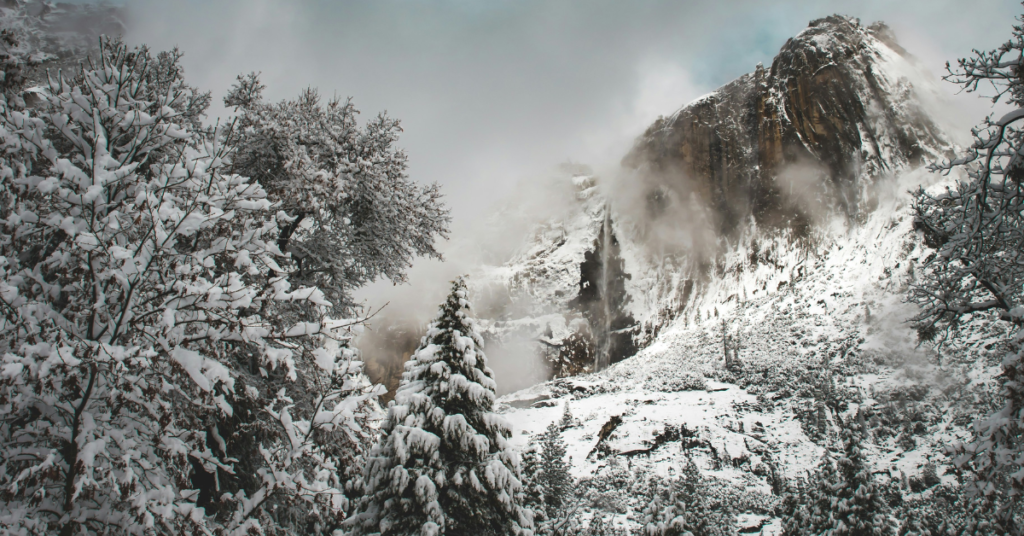
Winter is delivering one of the most underrated shows in Yosemite National Park right now: powerful, snow-fed waterfalls paired with blue skies and lighter-than-usual crowds.
Recent winter storms, combined with a solid Sierra snowpack, have pushed Yosemite’s cascades into high gear earlier than many visitors expect. Late winter is when meltwater begins coursing through the park’s granite walls, setting the stage for dramatic flows that build toward spring.
Yosemite Falls, one of the tallest waterfalls in North America, is already roaring. Its sound carries through Yosemite Valley, long before the full cascade comes into view. Nearby waterfalls are also surging, creating a landscape that feels both wild and freshly awakened.
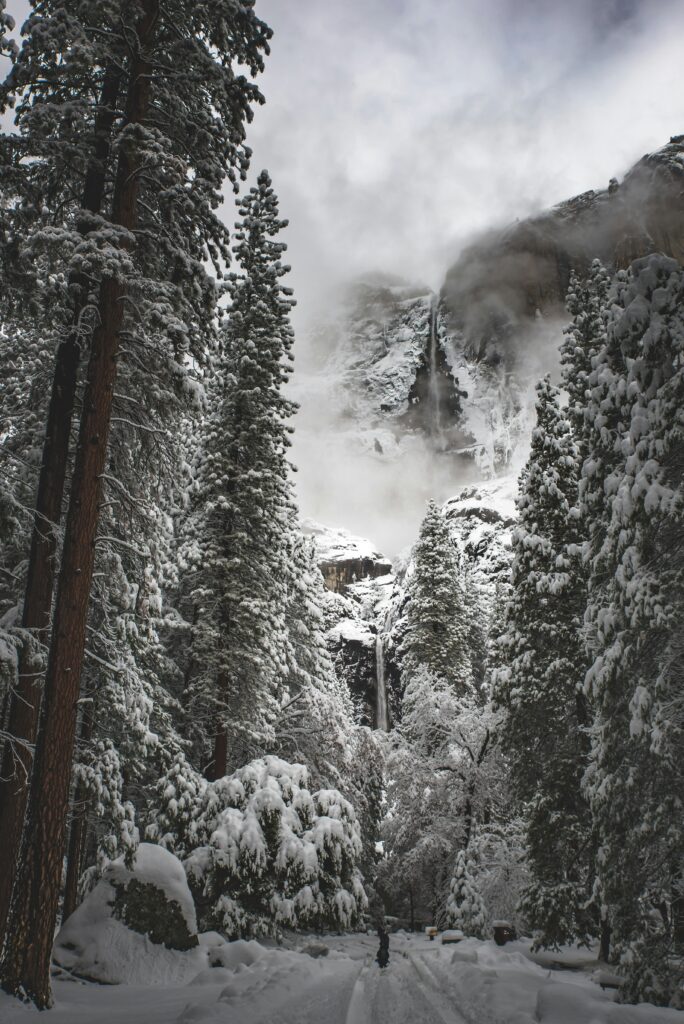
What makes this moment stand out is the balance. Cold temperatures have helped lock snowpack in place, ensuring sustained runoff, while stretches of sunny, dry weather have made conditions ideal for exploring. Visitors are finding big water without the shoulder-to-shoulder scenes that define summer.
Those heading into the park should be prepared for winter conditions—icy mornings, chilly air, and snow lingering in shaded areas—but the payoff is significant. Layers and traction go a long way this time of year.
As temperatures slowly climb, Yosemite’s waterfalls are expected to stay strong for weeks. Late winter and early spring offer a prime window to experience the park’s signature drama before peak-season crowds return.
