Backpacker Survives Freezing Night in the Marble Mountain Wilderness
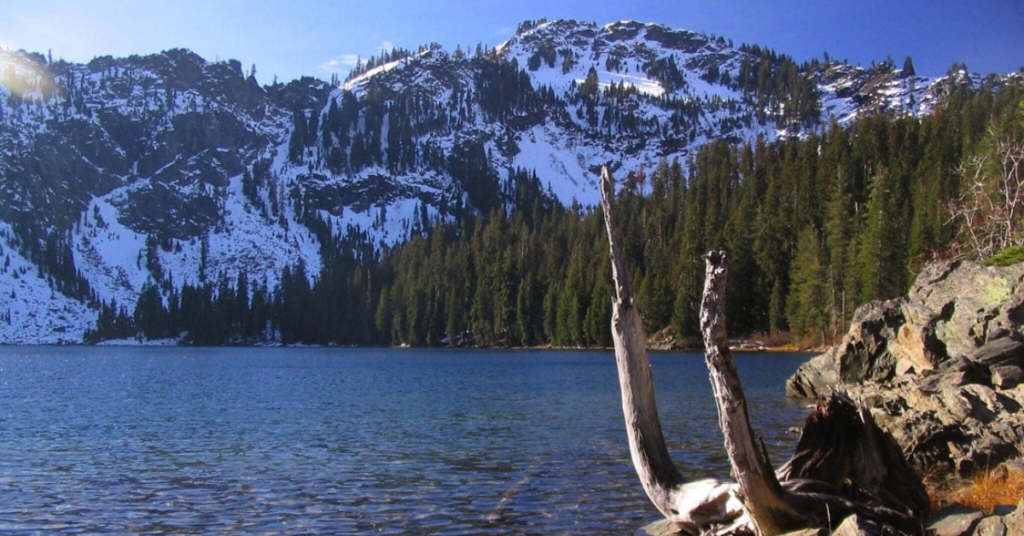
A backpacker in Siskiyou County had a close call on November 18th when he encountered severe weather conditions near Paradise Lake along the Pacific Crest Trail. The 23-year-old from Sacramento sent out a distress signal via his Garmin InReach device, alerting authorities to his predicament.
The backpacker explained that his shelter had been torn apart by heavy winds and rain, soaking his gear and leaving his shoes frozen. While he had prepared for below-freezing temperatures, he hadn’t anticipated the strong and chilling winds that swept through the area after sunset.
In response to his distress call, the Siskiyou County Sheriff’s Office initiated a Search and Rescue (SAR) operation. However, the backpacker later decided to attempt self-rescue and successfully made his way out of the high mountain basin without further assistance. Fortunately, this incident ended with a positive outcome, but it highlights important lessons for outdoor enthusiasts, especially as we transition from autumn to winter.
The backpacker admitted that he had researched the weather before embarking on his trip but had not considered the high wind speeds at his 6,100-foot campsite. It’s essential to account for terrain features like escarpments, hills, canyons, and ridges, as these can significantly increase wind speeds, often doubling regional forecasts. Additionally, high winds can lead to blizzard-like conditions when snow is present, making visibility challenging. If winds are expected to exceed 35 mph, it’s wise to reconsider your plans, especially in areas impacted by wildfires, where falling trees and limbs pose a greater risk during windy days.
The backpacker mentioned being caught off-guard by the wind chill, which made the actual temperature much colder than projected. Wind chill is a critical factor to consider in winter activities, as it accelerates heat loss from the body. For instance, a temperature of -5 degrees with a 20 mph wind can result in a wind chill near -30 degrees, leading to frostbite risk within 15 minutes.
Hypothermia is another serious concern during winter outings. The body’s core temperature can drop below 95 degrees Fahrenheit, leading to severe consequences. Even in temperatures between 30 and 50 degrees, hypothermia deaths can occur.
To mitigate these hazards, obtaining accurate and specific weather forecasts is crucial. Websites like Mountain-Forecast provide temperature and wind speed data at various elevations, along with wind chill estimates. The National Weather Service offers valuable resources for calculating wind chill and assessing the risk of hypothermia or frostbite in different climates.
It’s also essential to inform friends of your recreation plans and, when possible, check in with relevant land management agencies. This ensures that help can be deployed promptly if you encounter difficulties, injuries, or become stranded during outdoor activities.
