California Biologists Successfully GPS-Collar One of North America’s Rarest Mammals
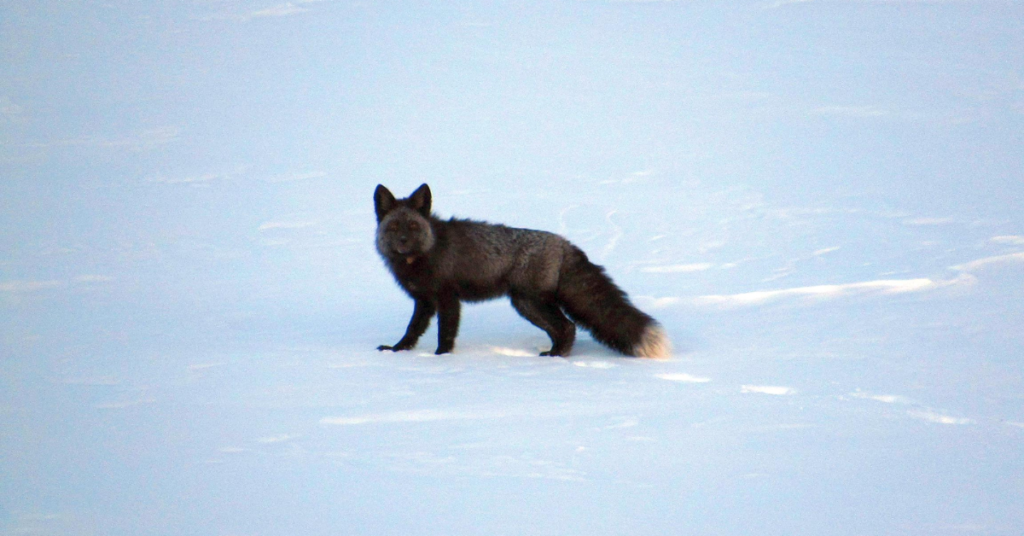
California wildlife biologists have reached a major milestone in the effort to protect one of North America’s rarest mammals: the Sierra Nevada red fox.
In January, scientists with the California Department of Fish and Wildlife successfully captured, collared, and released a fox near Mammoth Lakes—the first time the agency has ever GPS-tracked this elusive subspecies in the Sierra Nevada. The lightweight collar will allow researchers to follow the fox’s movements and behavior in unprecedented detail.
The Sierra Nevada red fox is listed as threatened under California law and endangered at the federal level. Fewer than 50 individuals are believed to remain in the range, where the fox survives in remote, high-elevation terrain and actively avoids human contact—factors that have made research extremely difficult.
CDFW scientists say the successful capture caps more than a decade of camera surveys, genetic sampling, and trapping efforts aimed at confirming the fox’s presence in the southern Sierra. Data from the collar, combined with biological samples collected during the capture, will help guide future conservation strategies and improve the efficiency of locating additional foxes.
A similar GPS-collaring effort in 2018 near Lassen Peak led to the discovery of multiple dens and new insights into reproduction and habitat use.
Researchers hope this breakthrough will help secure a future for the species, once thought extinct in California, and strengthen broader efforts to protect the state’s most vulnerable wildlife.
