Grizzly Bears Once Ruled California. Now Some Say It’s Time to Bring Them Back.
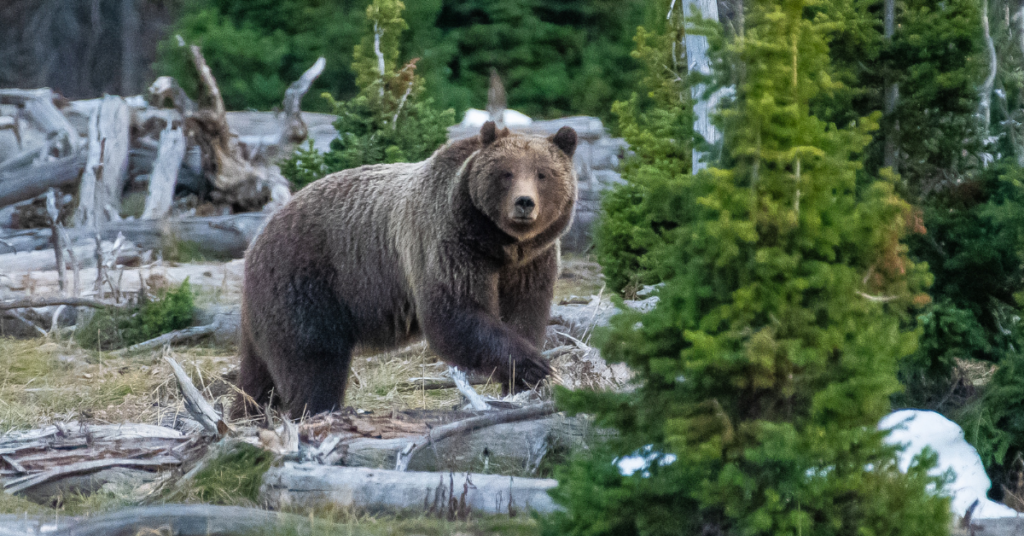
California once teemed with grizzly bears, as many as 10,000 roaming freely until the mid-1920s. Today, nearly a century after the last grizzly was spotted in Sequoia National Park, new research explores the potential for bringing these iconic animals back.
A feasibility study led by Peter Alagona, an environmental historian at UC Santa Barbara, argues that grizzly bears could successfully return to California. “The extinction of grizzlies in California had not been inevitable,” Alagona told The Guardian. “Their recovery is probably not impossible either.”
At their peak, California’s grizzlies, weighing up to 800 pounds and standing 9 feet tall, were among the world’s largest brown bears. Their reintroduction could boost ecological diversity by controlling herbivore populations, dispersing seeds, and cycling nutrients.
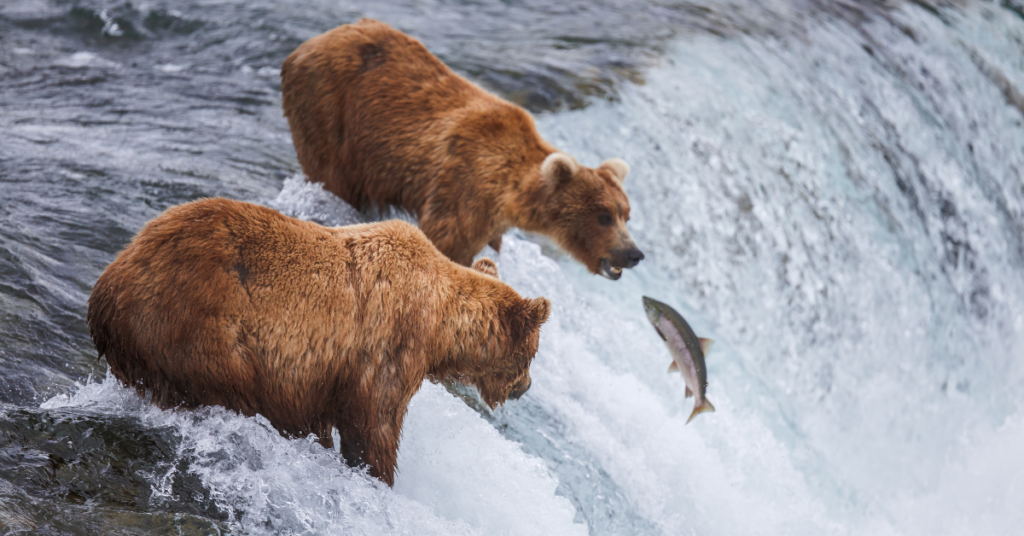
The study identifies three regions capable of supporting grizzly populations: the northwestern forests near Oregon, the southern Sierra Nevada, and mountains near Santa Barbara. Given that half of California is public land, there’s ample space for such a reintroduction.
Public support appears strong; a poll associated with the study found two-thirds of Californians, both urban and rural, favored restoring grizzlies. Still, concerns about human-wildlife conflicts persist, especially after recent incidents involving black bears.
Alagona emphasizes reintroduction would be gradual and cautious. “It would be a slow, deliberate and careful process,” he said, envisioning starting with small numbers of female bears introduced into remote areas.
Melissa Wilder of Los Padres ForestWatch sees potential beyond ecological restoration. Grizzlies symbolize hope and cultural renewal, reconnecting Californians with a legacy long depicted on their state flag. “If we bring it back, it reminds us of a new future,” she says.
