Lake Oroville Releases Reduced as Officials Focus on Conserving Water
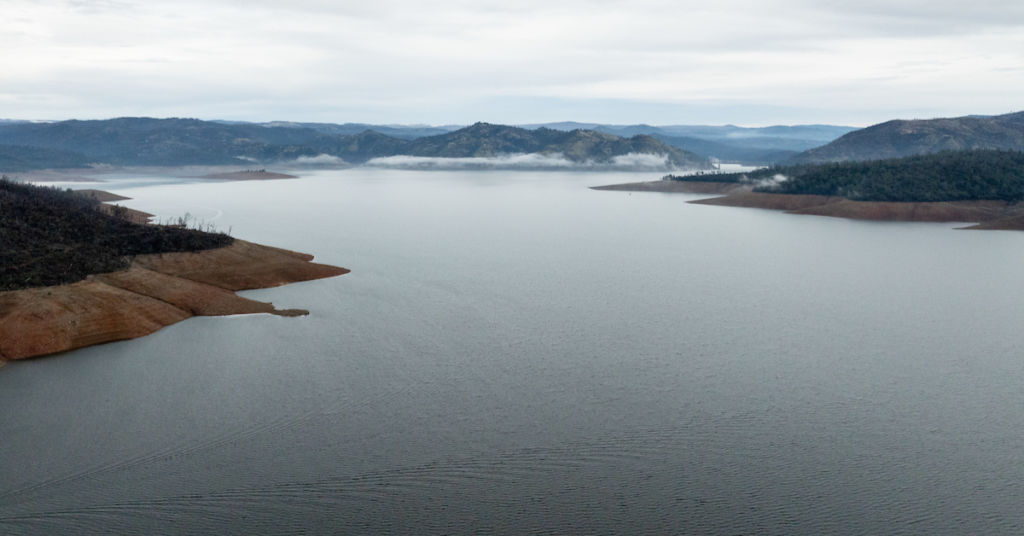
With drier weather returning to Northern California, state water officials are dialing back releases from Lake Oroville in an effort to conserve as much water as possible while still meeting flood safety and environmental requirements.
The California Department of Water Resources (DWR) reduced flows from Oroville Dam into the Feather River from about 10,000 cubic feet per second to roughly 9,000 cubic feet per second. The move reflects improving reservoir conditions and a shift toward preserving water as the region transitions out of the latest storm cycle.
Lake Oroville, currently sitting at about 871 feet in elevation and roughly 87 percent of its total capacity, plays a crucial role in California’s water system. As the largest reservoir in the State Water Project, it helps deliver water to millions of residents while also protecting downstream communities from flooding.
Between mid-September and early summer, reservoir operations are guided by federal flood-control rules established by the U.S. Army Corps of Engineers. These guidelines require operators to maintain enough open storage space in the lake to capture runoff from winter storms and Sierra snowmelt. To create that buffer, controlled releases are periodically made from the dam.
Much of the water released downstream isn’t wasted. It supports Feather River ecosystems—benefiting species like salmon, steelhead, and sturgeon—while also being captured farther downstream for farms, communities, and other State Water Project needs.
Water managers say operations at Oroville are constantly adjusted based on snowpack conditions, weather forecasts, and reservoir levels across Northern California. The goal is to strike a careful balance: protect communities from flooding today while holding onto enough water to supply the state through the dry months ahead.
Officials are also reminding Feather River recreationists to use caution, as flows can remain cold, swift, and subject to change depending on weather and operational needs.
