Lake Tahoe’s Snow Is Melting So Fast It Could Set a Historic Low in Two Weeks
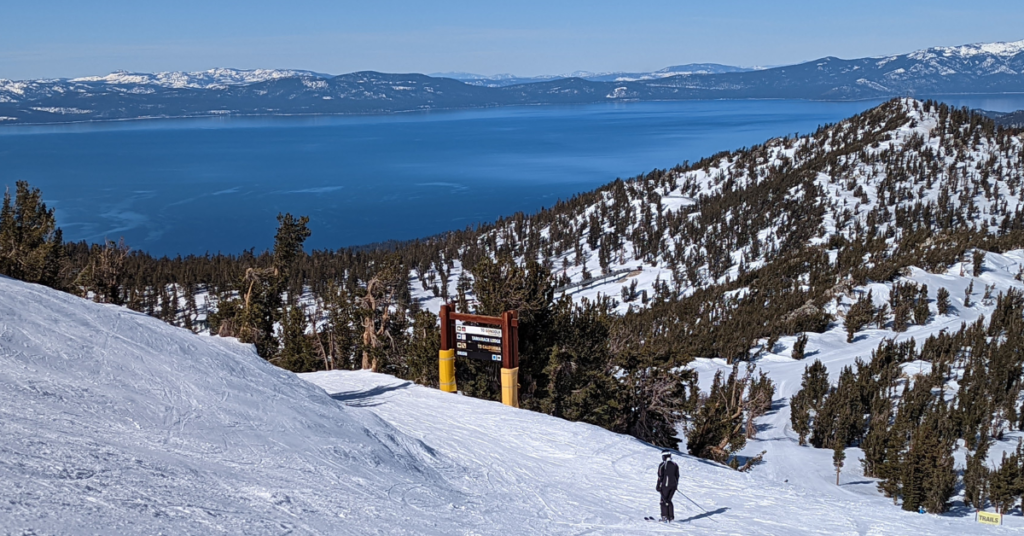
Lake Tahoe’s snowpack is vanishing at a startling pace, and the consequences could stretch well beyond ski season.
State officials reported Monday that snowpack is melting at about 1% per day. If that rate holds, the April 1 measurement, a critical benchmark for California’s water supply, could come in as the second lowest ever recorded.
The situation is already visible on the mountain. Skiers and snowboarders are encountering dirt patches and conditions that look more like late April than mid-March. Some resorts are seeing terrain shrink by several inches a day, and a forecasted rise in temperatures this week will only accelerate the melt.
Tourism has taken a hit, too. Restaurants and bars near the lake have been unusually quiet, and businesses in the Bay Area that cater to the ski crowd have noticed the slowdown. One Berkeley ski shop reported a rough start to the season with late-arriving snow, though regulars still showed up during ski week and the shop is still planning to expand into a larger space soon.
Stanford climate scientist Noah Diffenbaugh pointed to global warming as a driving factor. When snow does fall, warmer conditions make it more likely to melt earlier, reducing late-season snowpack. That has a ripple effect on wildfire risk, ecosystem health and California’s water infrastructure, which depends on mountain snow lasting deep into spring.
The Department of Water Resources plans to conduct additional snow surveys over the next two months and will use aerial flights to help capture and store as much runoff as possible before the dry summer months set in.
