New 20-Year Study Shows Prescribed Burns Can Strengthen Sierra Forests
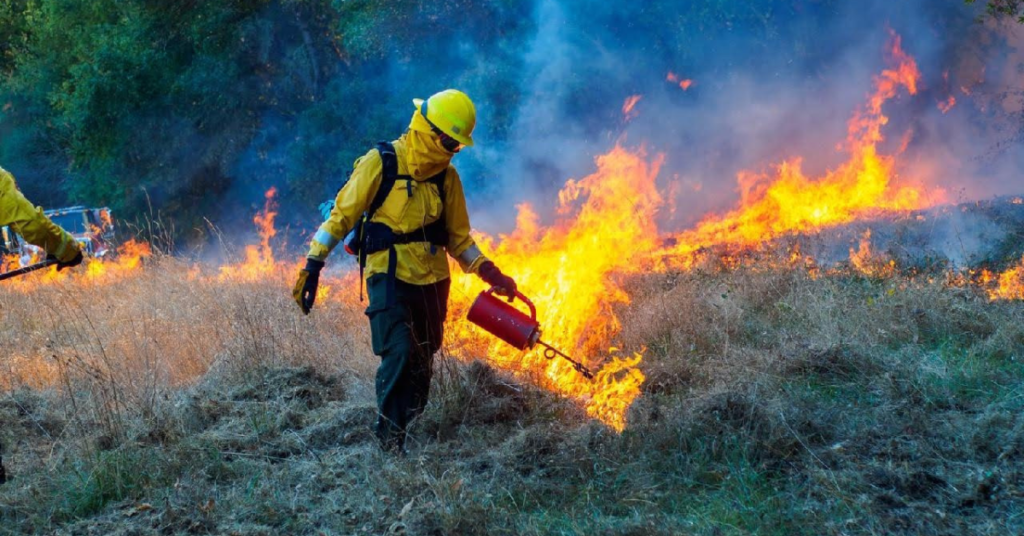
After more than a century of fire suppression in California, scientists continue to find that frequent, low-intensity fire — through prescribed burns or Indigenous cultural burning — is one of the most powerful tools for restoring forest health and reducing catastrophic wildfire risk.
A new long-term UC Berkeley study now shows that these burns may also improve a forest’s ability to store carbon over time.
Researchers at the Blodgett Forest Research Station have been monitoring managed and unmanaged plots since 2000. While prescribed burns do release carbon dioxide in the moment, the study found that forests treated repeatedly with controlled fire became more productive and resilient in the long run. Unmanaged stands, meanwhile, gradually declined due to overcrowding and climate stress.
“Prescribed burning helped maintain large, fire-resistant trees, eventually increasing the productivity of these stands,” said lead author Yihong Zhu. “We wouldn’t have seen this benefit without 20 years of monitoring.”
The findings arrive as California aims for net-zero carbon pollution by 2045 and seeks forest management strategies that balance carbon storage with wildfire safety. The study supports the idea of “stable carbon”—keeping forests healthy enough to avoid the massive carbon losses caused by runaway megafires or disease outbreaks.
Prescribed fire also addresses the Sierra Nevada’s “fir-ification,” a buildup of small, shade-tolerant trees that act as fuel ladders. Frequent burns help restore fire-adapted giants like ponderosa and sugar pine while reducing the chance of crown fires.
For communities near fire-prone areas, the research offers a roadmap: a mix of thinning and prescribed fire may offer the strongest protection. In wilderness zones, burning alone may be the most efficient way to improve forest health while preserving stored carbon.
The takeaway is clear: thoughtful fire now means healthier forests — and fewer devastating fires — in the years ahead.
