New Federal Bill Aims to Protect Nearly 485,000 Acres of Public Land in Northern California
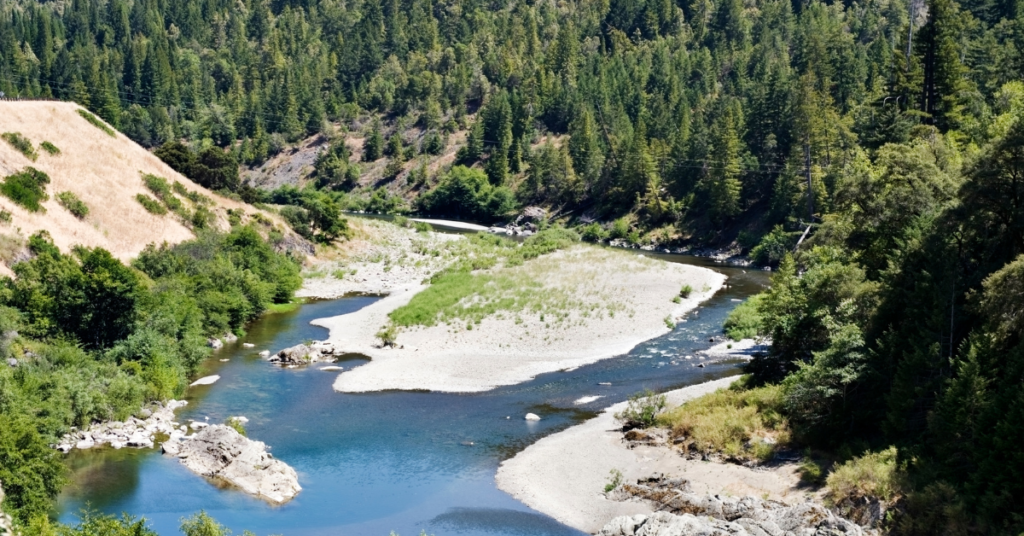
A sweeping public lands proposal aimed at protecting and restoring some of Northern California’s most iconic landscapes is back in Congress.
This week, Rep. Jared Huffman reintroduced the Northwest California Wilderness, Recreation, and Working Forests Act, a wide-ranging bill focused on forest health, wildfire resilience, habitat restoration, and outdoor recreation across the North Coast. The legislation has been folded into a broader public lands package led by Sen. Alex Padilla that would safeguard more than 1.7 million acres statewide.
Huffman’s proposal alone would permanently protect nearly 485,000 acres of public land and almost 480 miles of Wild and Scenic rivers across Mendocino, Humboldt, Trinity, and Del Norte counties. The bill emphasizes a balanced approach—pairing conservation designations with active forest management, restoration of lands damaged by illegal marijuana grows, and investments in trails, visitor facilities, and access points.
Supporters say the measure is designed to strengthen ecosystems while supporting rural economies. Planned programs would focus on improving fire resilience, restoring salmon and trout habitat, and promoting forest stewardship projects that create local jobs. Importantly for recreationists, the bill would not restrict hunting or fishing, close legally open roads or trails, or limit access to private property.
The Northwest California legislation is part of the larger PUBLIC Lands Act, which also includes protections for the Central Coast and the San Gabriel Mountains. Together, the package aims to reduce wildfire risk, protect critical watersheds, and ensure long-term access to outdoor spaces across California.
Huffman developed the bill through years of public outreach and collaboration with tribes, conservation groups, county officials, recreation organizations, and industry representatives. Backers ranging from fishing and hunting groups to environmental organizations say the proposal reflects a rare consensus—one that treats conservation, recreation, and working landscapes as complementary rather than competing priorities.
