New Study: Northern California Coast Could Suddenly Sink During Major Earthquake
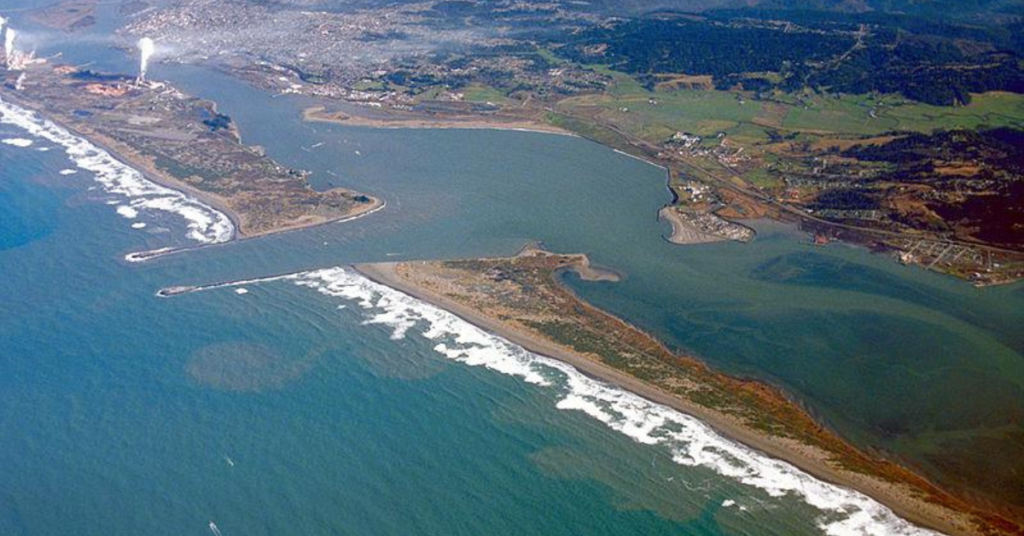
Living near the Cascadia Subduction Zone, we’re well aware of earthquake risks like shaking buildings or incoming tsunamis. But a new study published in the Proceedings of the National Academy of Sciences adds another chilling concern: instant land subsidence.
Researchers found that a major earthquake (magnitude 7.7 to 9.2) along the Cascadia fault could cause parts of the coast in Washington, Oregon, and Northern California to sink as much as 6.5 feet — in a matter of seconds. That sudden drop would dramatically raise local sea levels and flood exposure in coastal communities, particularly around Humboldt Bay.
“The tsunami will come and go,” said lead author Dr. Tina Dura to NBC News. “But the lasting change of the frequency of flooding… that’s going to have to be dealt with.”

Crescent City may see some offsetting coastal uplift, but places like Humboldt Bay are already subsiding—recording the highest relative sea-level rise along the Pacific Coast.
The long-term danger? Climate-driven sea-level rise exacerbates the risks of permanent land loss, infrastructure damage, and relocation. If a major quake hits, flood risks could triple over the next 75 years.
The last great Cascadia quake hit in 1700. Scientists estimate that these events occur every 200 to 800 years, suggesting that we may be due for another one.
