Opinion: How the Sierra Club Lost Its Way and Why Conservation Must Stay Above Politics
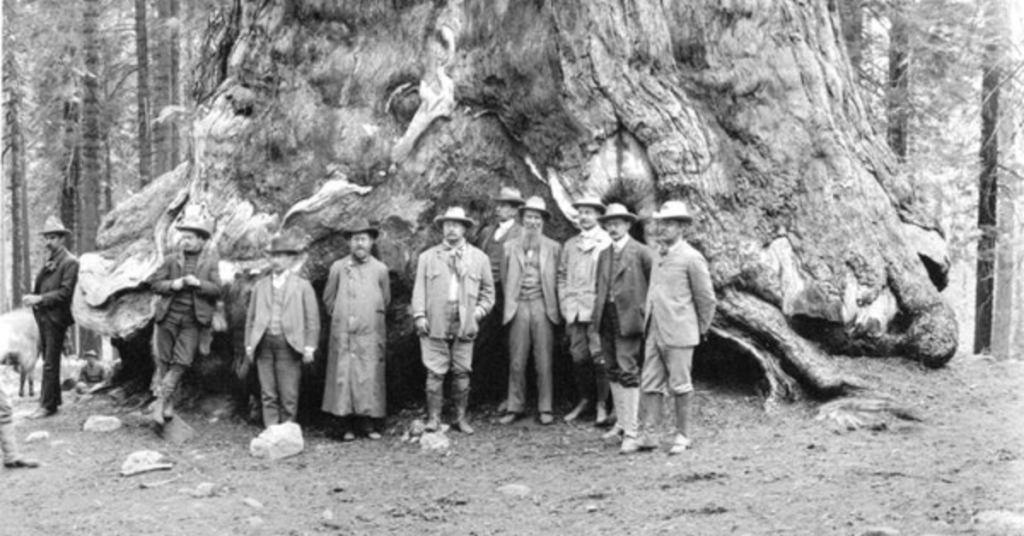
For more than a century, the Sierra Club stood as one of Northern California’s proudest exports, a grassroots force that grew from John Muir’s vision in the Sierra Nevada into one of the most powerful conservation organizations in the world. Its victories are etched into the landscape itself: protecting Yosemite’s granite cathedrals, helping block dams in the Grand Canyon, and leading the charge against America’s coal-fired power plants.
But today, the Sierra Club is in crisis, both financially and philosophically. The organization has lost more than half its supporters since 2019, cycled through leadership turmoil, and run up a $40 million deficit. The problem is not just mismanagement. The group lost its focus.
Once laser-focused on protecting wild lands, the Sierra Club in recent years has broadened its mission to include a wide range of progressive social causes such as racial justice, immigration, labor rights, gender equity, reparations, and police reform. While these issues matter deeply to many, they fall far outside the Sierra Club’s founding purpose of conserving the natural world.
That shift, however well-intentioned, blurred the line between environmentalism and partisan politics. In doing so, it alienated many of the people who once stood shoulder to shoulder in its ranks, including hikers, anglers, scientists, and volunteers who simply wanted to keep rivers clean, forests wild, and open spaces preserved.
When environmental protection becomes just another checkbox in a broader political agenda, it risks losing universal support. Clean air, clean water, and thriving ecosystems are not Republican or Democrat issues; they are human issues. The wilderness Muir fought to protect does not care who is in office.
Northern California, the Sierra Club’s birthplace, still carries his legacy. From the granite peaks of Yosemite to the redwoods of Humboldt, this region remains a testament to what unified conservation can achieve. But preserving that legacy requires focus, not factionalism.
The Sierra Club once proved that common purpose can move mountains, literally. To regain its strength, it must remember what made it powerful in the first place: a shared love of the outdoors and a single-minded mission to defend it.
If the environment becomes just another battleground in America’s political wars, everyone loses, and the wilderness will have no one left to speak for it.
