Russian River Declared “Dry” Despite Full Reservoirs and Rain in the Forecast. Here’s Why.
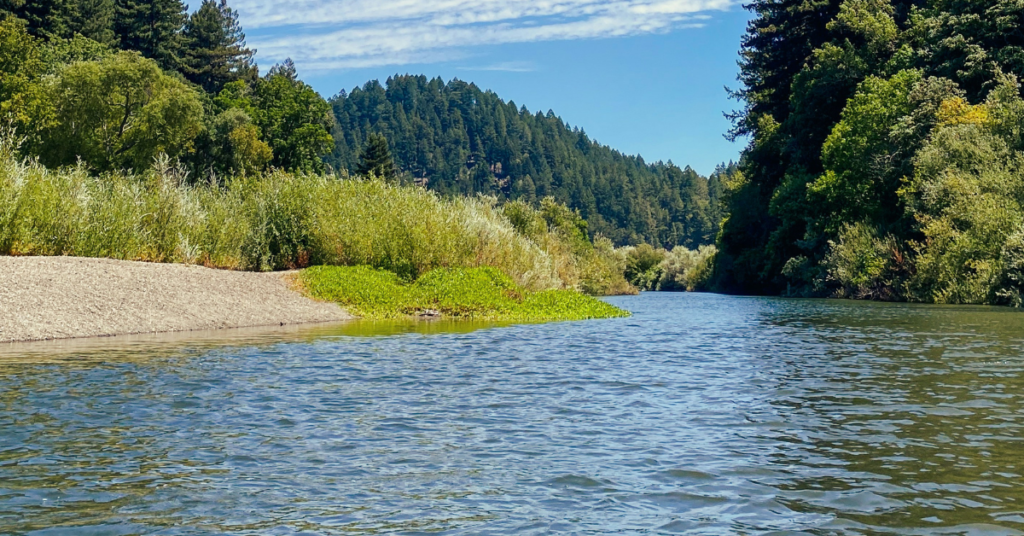
Lake Sonoma is full. Lake Mendocino sits at 85% capacity. Rain is still in the forecast. So why did Sonoma Water just shift the Russian River to a “dry water supply” designation?
It comes down to thresholds, and how seriously the agency is taking the lessons of the past.
The classification, which took effect April 16, is tied to storage benchmarks at Lake Mendocino that shift throughout the year. It isn’t a crisis declaration, but it signals that managers are watching closely and adjusting river flows accordingly.
That cautious approach traces back to a painful lesson from 2013, when the Army Corps of Engineers released water from Lake Mendocino to make room for anticipated rain that never arrived. Releases continued through May despite dry conditions, leaving the reservoir at 50% capacity heading into summer. The fallout prompted water managers to throw out decades-old operating rules and build something smarter.
That something is Forecast Informed Reservoir Operations, or FIRO, a system that weaves modern weather forecasting into water release decisions. The Army Corps retains control over flood management allocations, while Sonoma Water handles conservation decisions for cities and farms. The program now saves roughly 30,000 acre-feet annually, about 75% of the agency’s total yearly demand. Officials estimate building a reservoir of that capacity would cost hundreds of millions of dollars.
FIRO has since been adopted at reservoirs statewide and nationally.
Conservation group Russian Riverkeeper wants to go further, pushing the next governor to mandate early, modest cutbacks tied to storage levels rather than waiting for full-blown drought emergencies. Sonoma Water will reassess both reservoirs every two weeks through June.
