Shasta Lake Rises 22 Feet in First Week of February as Storms Slam NorCal
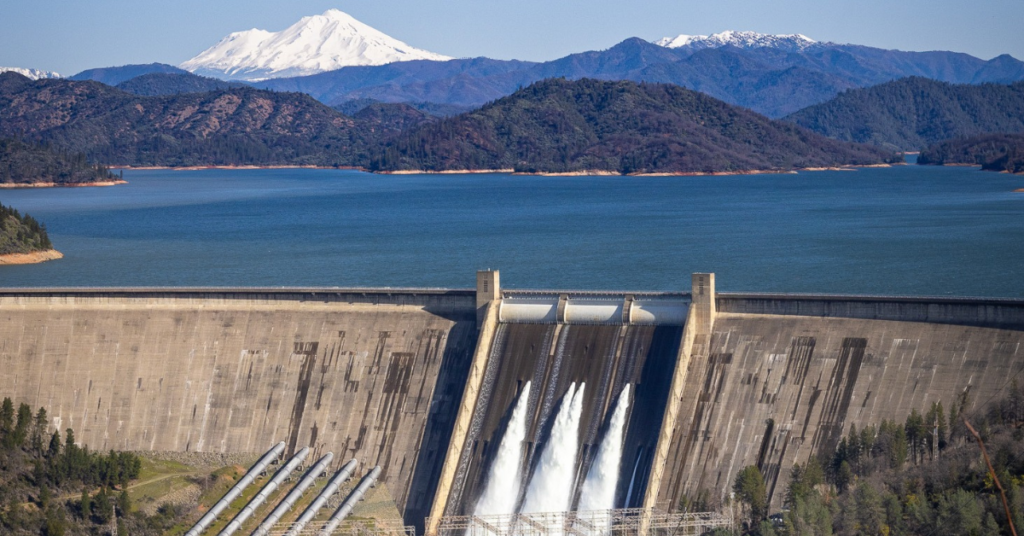
After an unusually dry January with nearly a month without rain, Northern California’s water supply is bouncing back in a big way. A series of powerful storms in early February brought heavy precipitation, causing Shasta Lake to rise an impressive 22 feet in just one week.
Lake Oroville, the state’s second-largest reservoir, also saw a dramatic rise, climbing 23 feet between Feb. 1 and Feb. 7 as the watershed received 24 inches of rain—five times the historical average.
Now, another atmospheric river storm is bringing more rain across the region, further boosting reservoir levels.
While these surging water levels are great news for the state’s drought recovery, reservoir operators are carefully managing releases to prevent flooding. At Shasta Lake, federal dam operators have been releasing 60,000 cubic feet per second into the Sacramento River to balance water storage and flood control.
Experts predict that both Shasta and Oroville will likely reach full capacity this spring as runoff from the Sierra Nevada snowpack continues to feed the reservoirs. This means Northern California cities should see another summer free of major water restrictions.
With more storms in the forecast and Sierra snow levels continuing to climb, California’s water outlook for 2025 is looking strong. However, experts emphasize the importance of maintaining a careful balance between flood control and long-term water storage.
