The Best (And Worst) Times to Visit Yosemite National Park
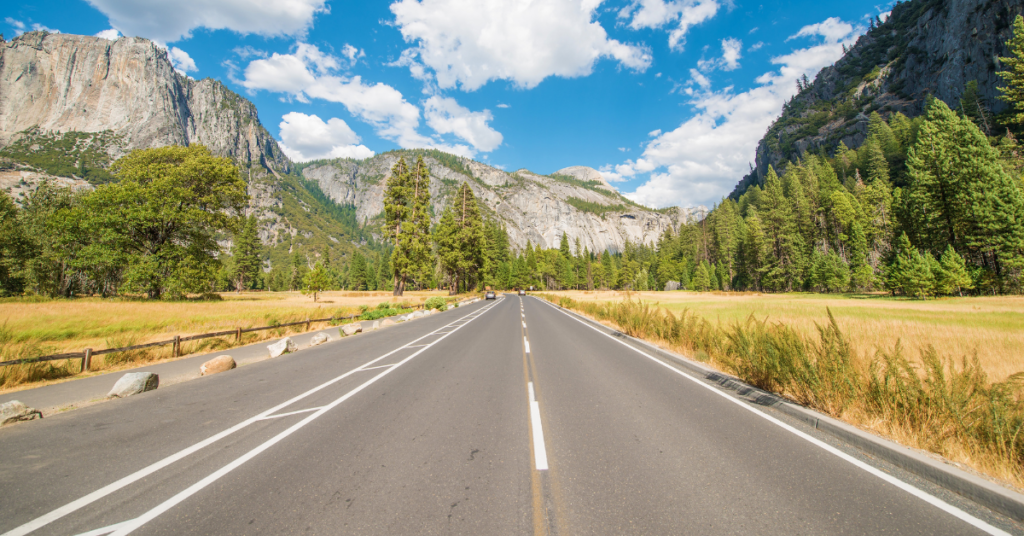
Yosemite National Park is a year-round wonder, but knowing when to visit can make or break your experience.
With each season offering something unique—from vibrant waterfalls to serene winter snow—timing is key to avoiding challenges like overcrowding and extreme weather.
Best Times to Visit Yosemite
Spring (May to Early June)
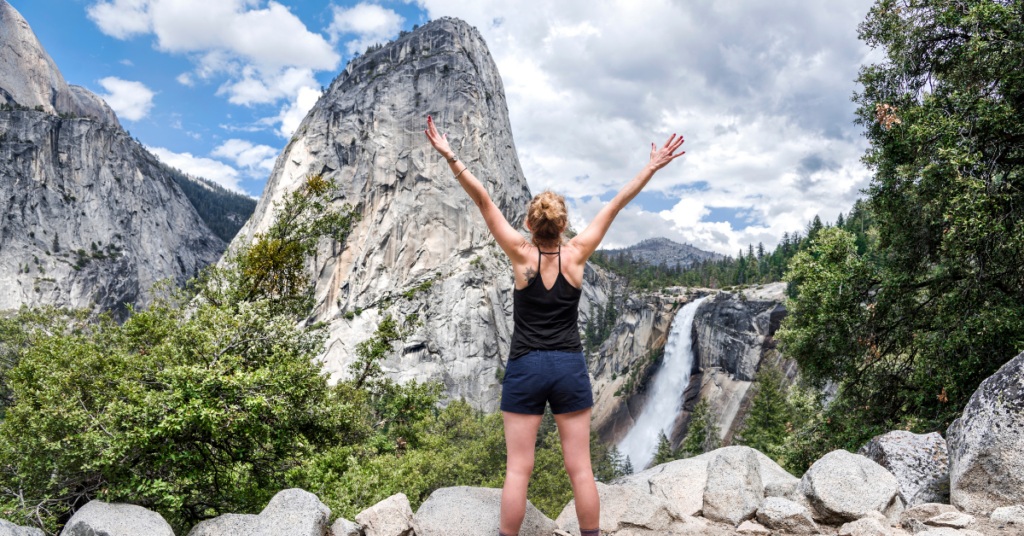
Yosemite comes alive in spring, with roaring waterfalls at their peak, thanks to snowmelt. Popular spots like Yosemite Valley, Glacier Point, and Tioga Road typically reopen, providing access to stunning views and over 750 miles of hiking trails. Wildflowers bloom, and the weather is mild, making it an ideal time for sightseeing and rafting on the Merced River.
Fall (September to October)
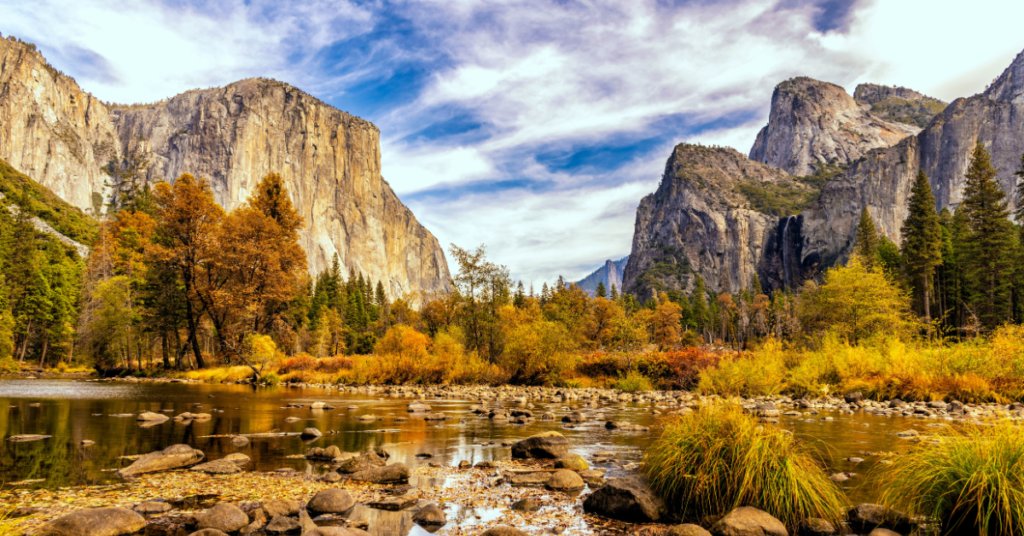
Crowds thin out as temperatures cool, offering a quieter, more peaceful experience. Fall foliage adds a splash of color, and budget-conscious travelers can take advantage of reduced lodging rates.
Winter (January)
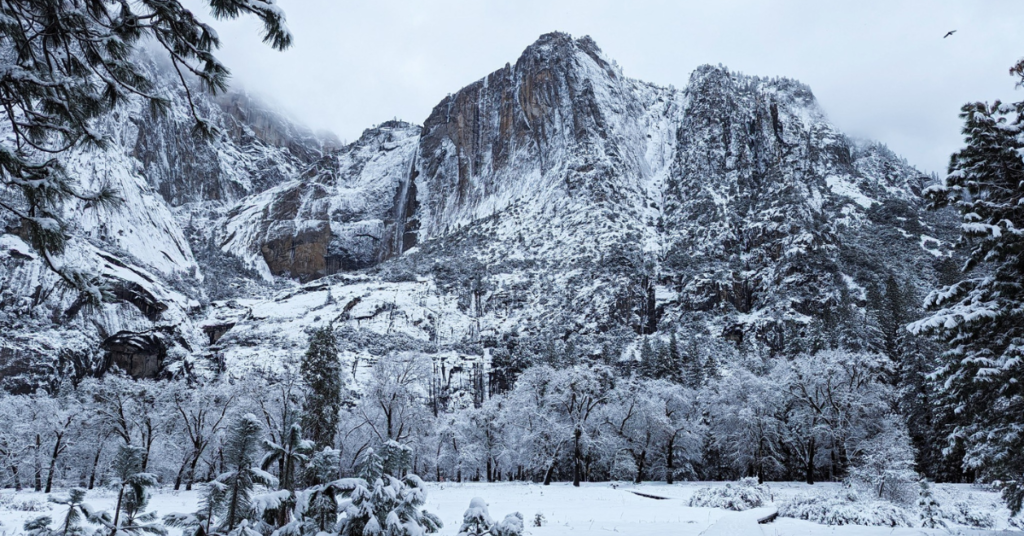
For solitude and magical winter scenery, January is perfect. Snow blankets the park, transforming it into a peaceful wonderland with activities like snowshoeing, skiing, and snowboarding at Badger Pass. Be prepared for limited accessibility and possible tire chain requirements.
Worst Times to Visit Yosemite
July and August

Yosemite is at its busiest during summer. High temperatures (often reaching 90°F in Yosemite Valley) combined with overcrowded trails and limited lodging make this a less-than-ideal time to visit. If summer is your only option, head to cooler areas like Tuolumne Meadows, where temperatures are milder.
Plan Ahead for Any Season
Yosemite’s beauty is constant, but each season brings its own rewards and challenges. Whether you prefer the roaring waterfalls of spring, colorful fall landscapes, or the peacefulness of winter, proper planning ensures an unforgettable trip.
