Why California Began Killing Mountain Lions in the Name of Conservation
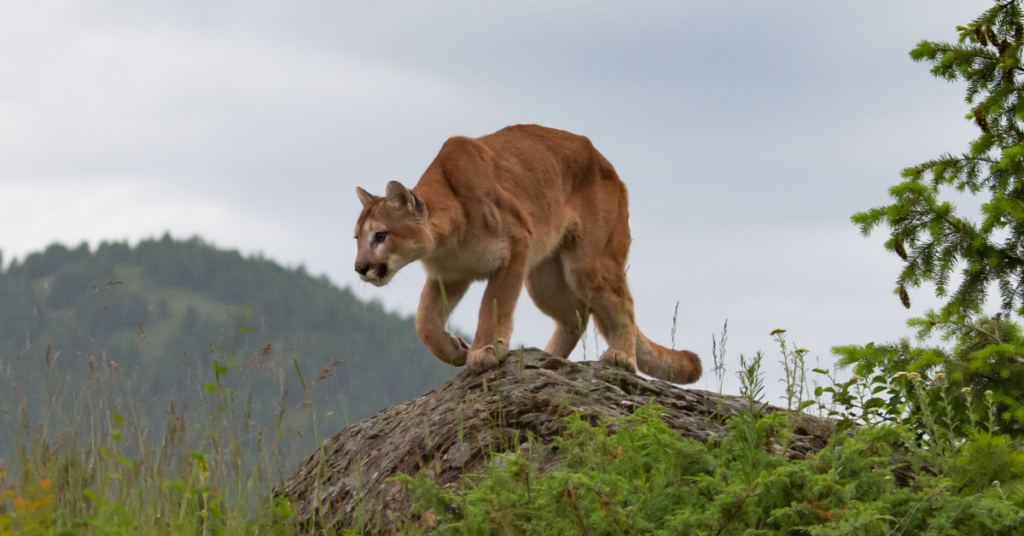
California has long been known as a refuge for mountain lions, which have been protected from sport hunting for decades. But in a significant — and largely quiet — policy shift, state wildlife officials have resumed killing lions in the Eastern Sierra to protect one of California’s most vulnerable animals: the federally endangered Sierra Nevada bighorn sheep.
The move reverses nearly 10 years of practice. Since 2017, the California Department of Fish and Wildlife (CDFW) had stopped euthanizing lions that preyed on bighorn and instead attempted to relocate them. While that worked for females and juveniles, it failed for adult males, many of whom returned to sheep habitat and continued hunting the rare animals.
One such lion was moved more than 200 miles away, only to trek back and kill again. This summer, officials euthanized him, saying the struggling bighorn population, estimated at just around 400 animals, could not withstand further losses.
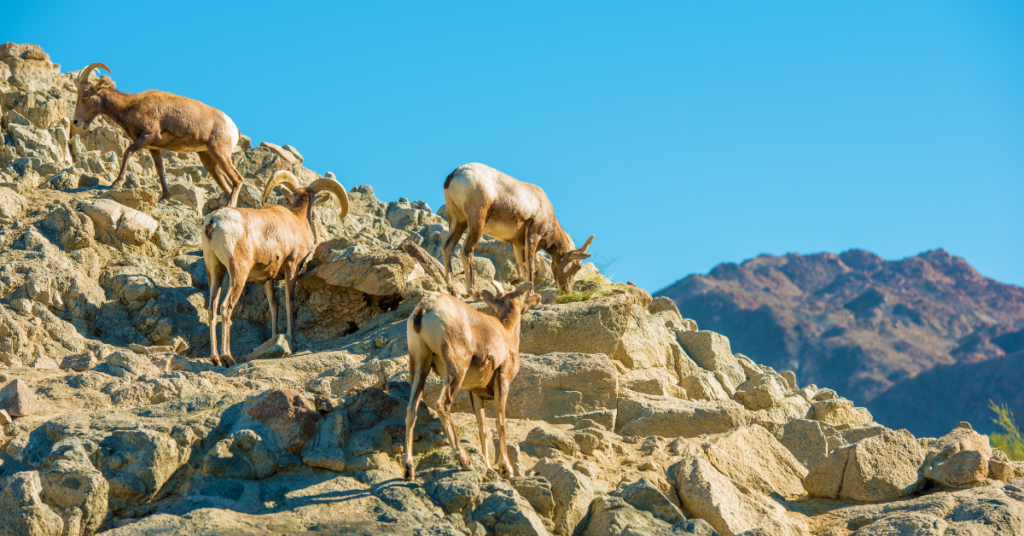
The policy shift traces back to a 2023 petition from Eastern Sierra hunters concerned about declining bighorn and mule deer numbers. They argued that mountain lion populations had “exploded,” putting immense pressure on other wildlife. Their campaign spurred a reevaluation of predator management in the region.
Biologists like John Wehausen support the decision, saying timely removal of lions is critical for bighorn recovery. But conservationists, including the National Wildlife Federation’s Beth Pratt, argue that killing lions isn’t a sustainable solution and that California should focus on boosting sheep populations and exploring non-lethal options.
As debate intensifies, one point is clear: the Eastern Sierra sits at the center of a complicated struggle to protect predators, prey, and the ecosystems that connect them.
