Why Isn’t Lake Tahoe Getting Clearer? Scientists Can’t Figure it Out.
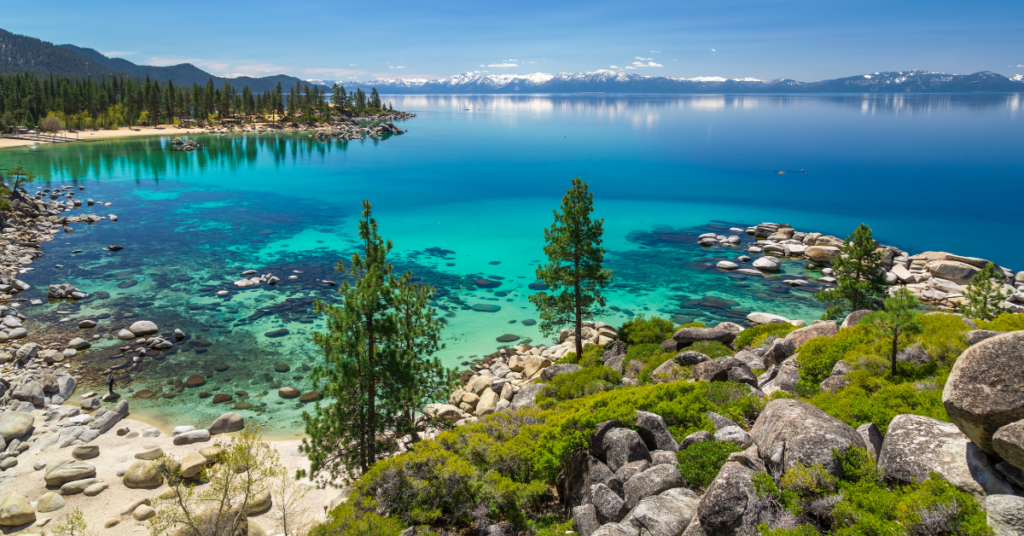
Lake Tahoe’s famed blue waters are holding steady—but not getting clearer.
That’s the takeaway from UC Davis’ 2024 clarity report, which found average annual clarity at 62.3 feet—down from 68.2 feet in 2023. While the drop isn’t considered statistically significant, researchers say the long-term trend shows stability rather than progress.
“We’re not seeing major decline, but we’re also not seeing improvement,” said TERC Director Stephanie Hampton.
Lake clarity declined sharply in the 1990s but has since plateaued, thanks in part to efforts targeting sediment runoff. However, newer threats like warmer temperatures, invasive species, and wildfire ash may now be playing a larger role.
Winter clarity, while lower than last year’s exceptional numbers, remained relatively strong at 68.9 feet. Summer clarity, however, continues to lag—averaging just 53.4 feet in 2024.
To better understand what’s impacting the lake, researchers plan to re-examine the particles clouding Tahoe’s waters using advanced technologies. The findings could inform updates to long-standing policies designed to return the lake to its historic clarity of 97.4 feet.
Through the Lake Tahoe Environmental Improvement Program, more than 80 organizations are working together to restore the lake, capturing over 500,000 pounds of fine sediment annually.
While scientists continue their work, one thing is clear: preserving Tahoe’s clarity is an ongoing challenge—and one that demands a fresh look.
