Yosemite Superintendent Signals No Park-Wide Reservation System This Summer

It’s shaping up to be a notable shift in how Yosemite National Park manages crowds this year, and possibly all summer.
Park officials have confirmed that no reservation system will be required to view February’s famous Firefall, a decision that may signal a broader move away from park-wide entry reservations during the busy summer season. The Firefall occurs when sunset light ignites Horsetail Fall on El Capitan, typically peaking between Feb. 10 and Feb. 26 and drawing thousands of visitors and photographers.
Yosemite Superintendent Ray McPadden recently told tourism leaders that staffing and on-the-ground management will replace reservations as the primary crowd-control strategy during Firefall. He also indicated that, based on several pilot years, a season-long reservation system across the entire park is unlikely to return this summer.
“Our conclusion, based on a few pilot years, is that a park-wide, season-wide reservation system is not the most effective tool for this coming summer,” said McPadden.
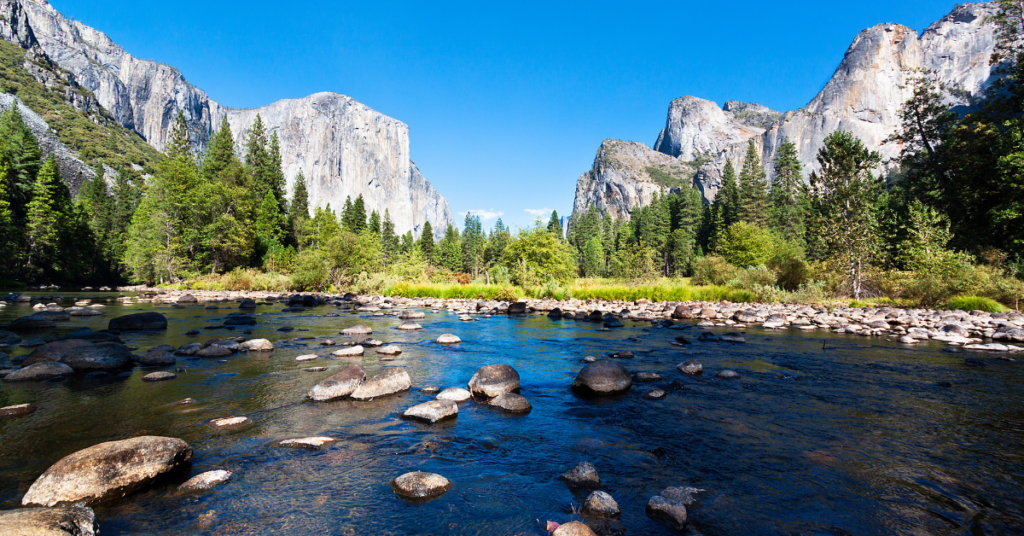
That announcement has raised eyebrows among conservation advocates and frequent visitors. Firefall crowds have surged in recent years, at times packing thousands of people into a single viewing corridor. Past seasons without reservations have seen meadow damage, sanitation issues, and traffic congestion in Yosemite Valley.
Despite those concerns, park officials say they will rely on traffic controls, temporary pedestrian lanes, and staff presence to manage February crowds. Visitors will be directed to park in eastern Yosemite Valley and walk roughly 1.5 miles to designated viewing areas or use the free shuttle system.
Anyone planning a Firefall visit should expect long walks, heavy congestion, and winter conditions—and remember that even with perfect planning, the glowing cascade is never guaranteed. If February serves as a test case, Yosemite’s approach this summer could look very different than in recent years.
